Editorial imagery
BackgroundEditors and reporters were sourcing visuals from Getty, Unsplash, and WikiCommons on deadline, which meant every article landed in a sea of interchangeable stock. The result read generic, occasionally low-brow, and lacking a brand point of view.
We knew we wanted to be a mix of visuals on the site — both journalistic stock photography and a custom asset library in an ownable aesthetic. The goal was to elevate the quality of the images in each category and unify the site’s visuals.
Core objectivesDevelop a CoinDesk image aesthetic
Integrate AI-generated images
Standardize editorial guidelines
Expand the media library
A scalable imagery system for the CoinDesk media site
Role: Creative Director
Scope: Team leadership · Stakeholder alignment · AI workflow · Visual system · Editorial design · Art direction
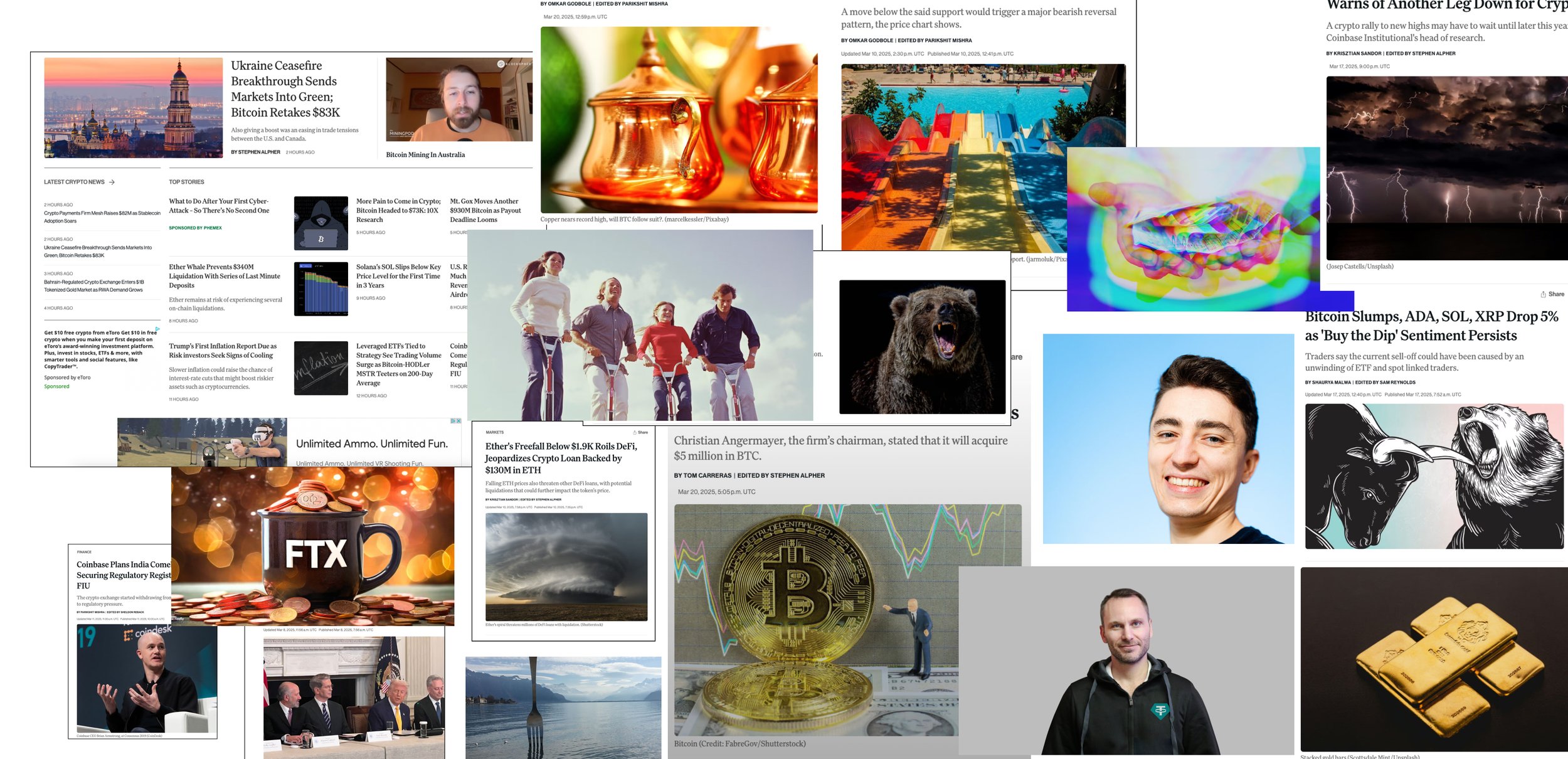
BeforeThe inherited imagery landscape
Lacked personality: nothing visually signaled CoinDesk
Leaned low-brow: stock metaphors undercut editorial credibility
Generic: mix of Getty Editorial and tired stock photo tropes sourced from free stock sites
Our approach
-
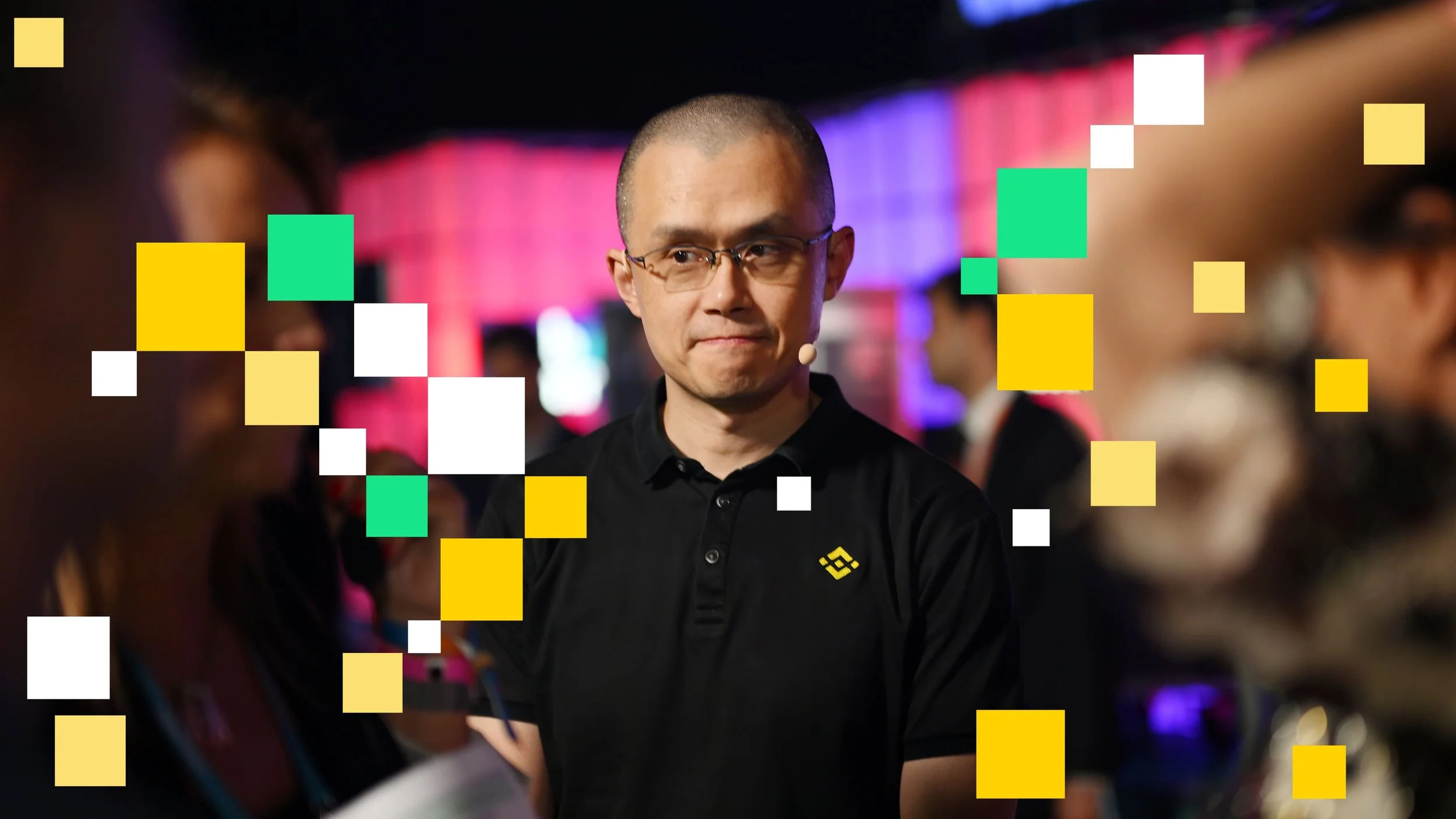
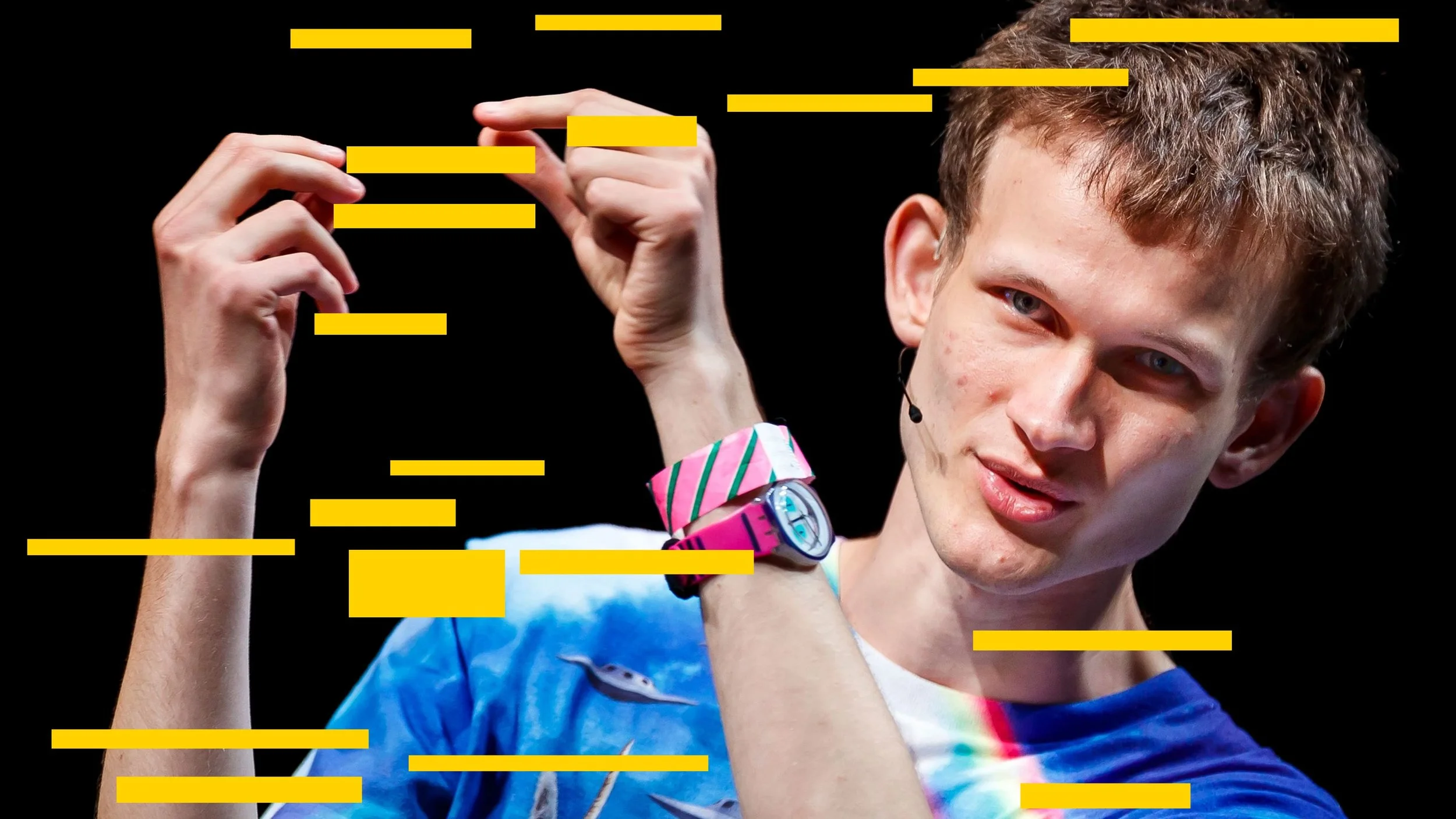
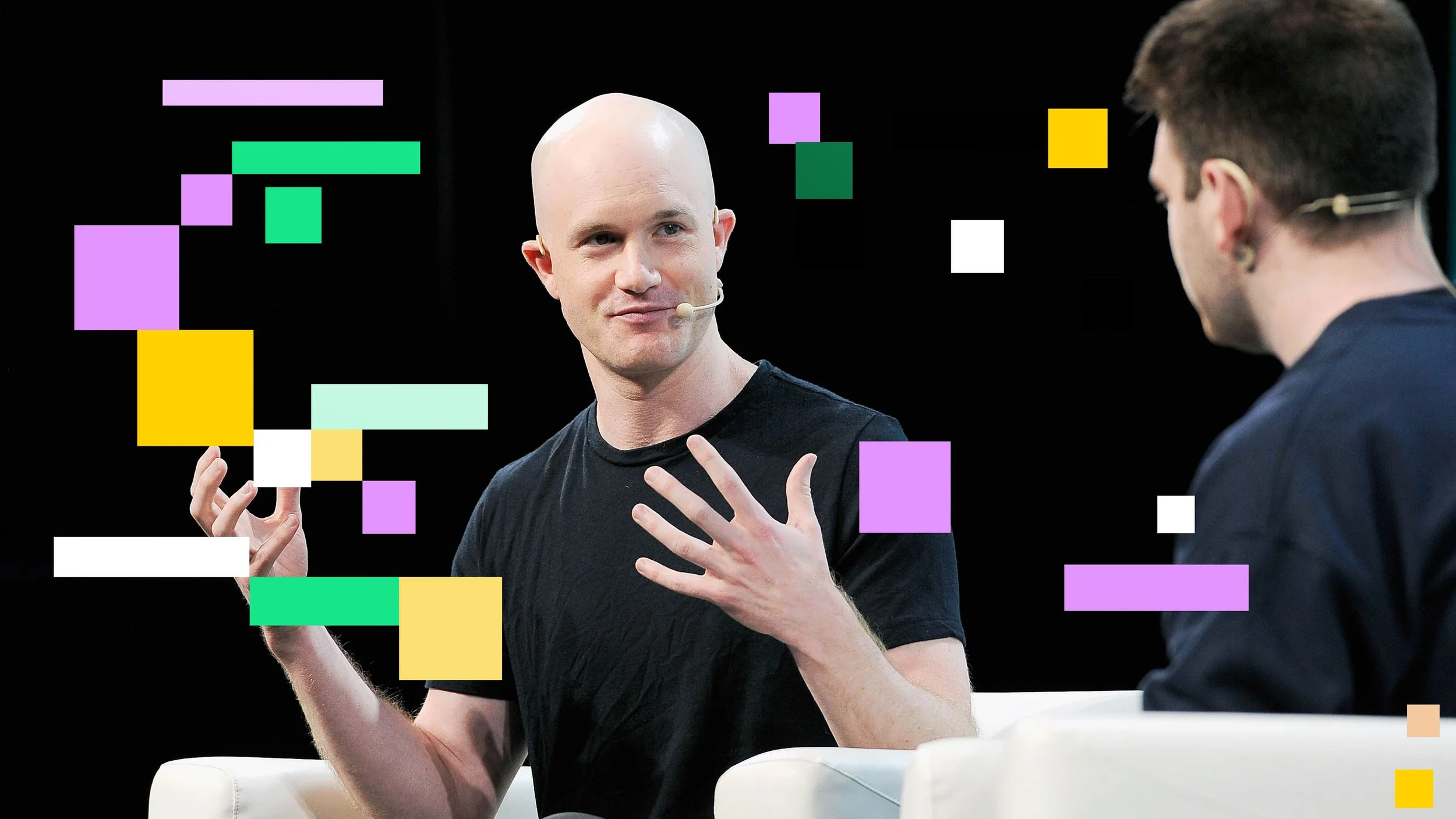
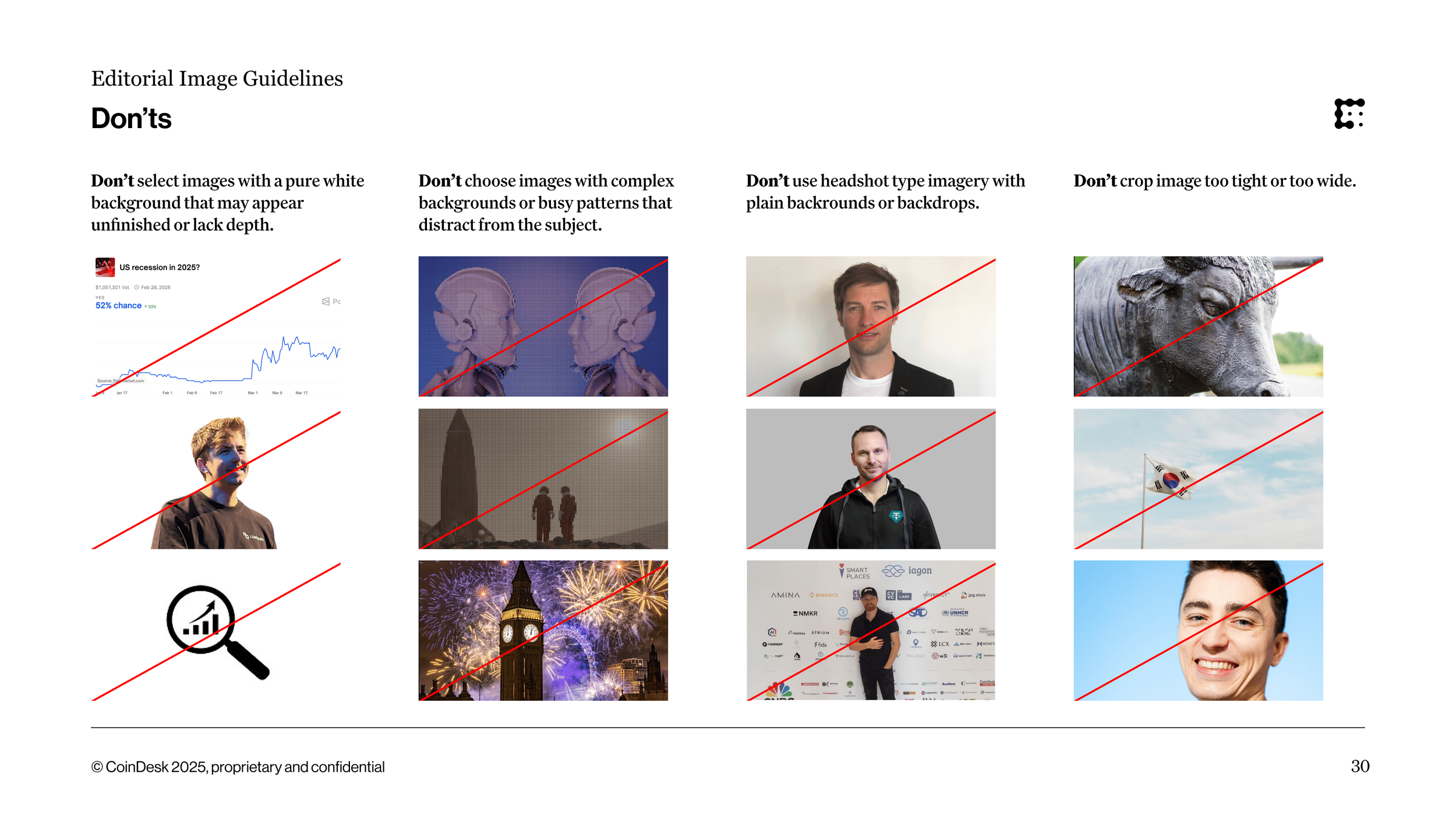
Established a visual point of view for stock selection, with a clear dos-and-don'ts guide covering composition, tone, subject matter, and cropping. Editors got a shared vocabulary for what "on-brand" meant before an image ever hit the CMS.
-
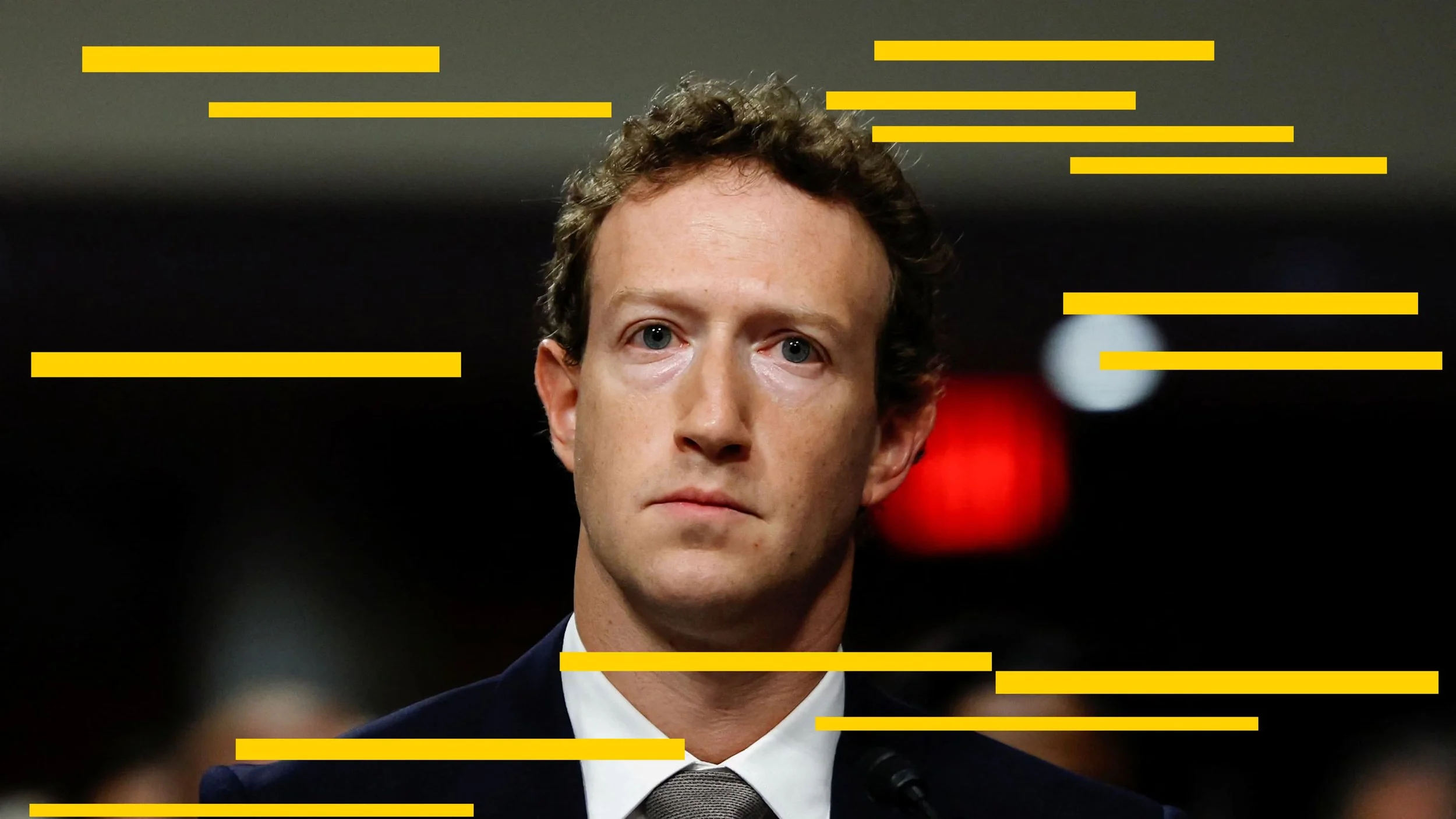
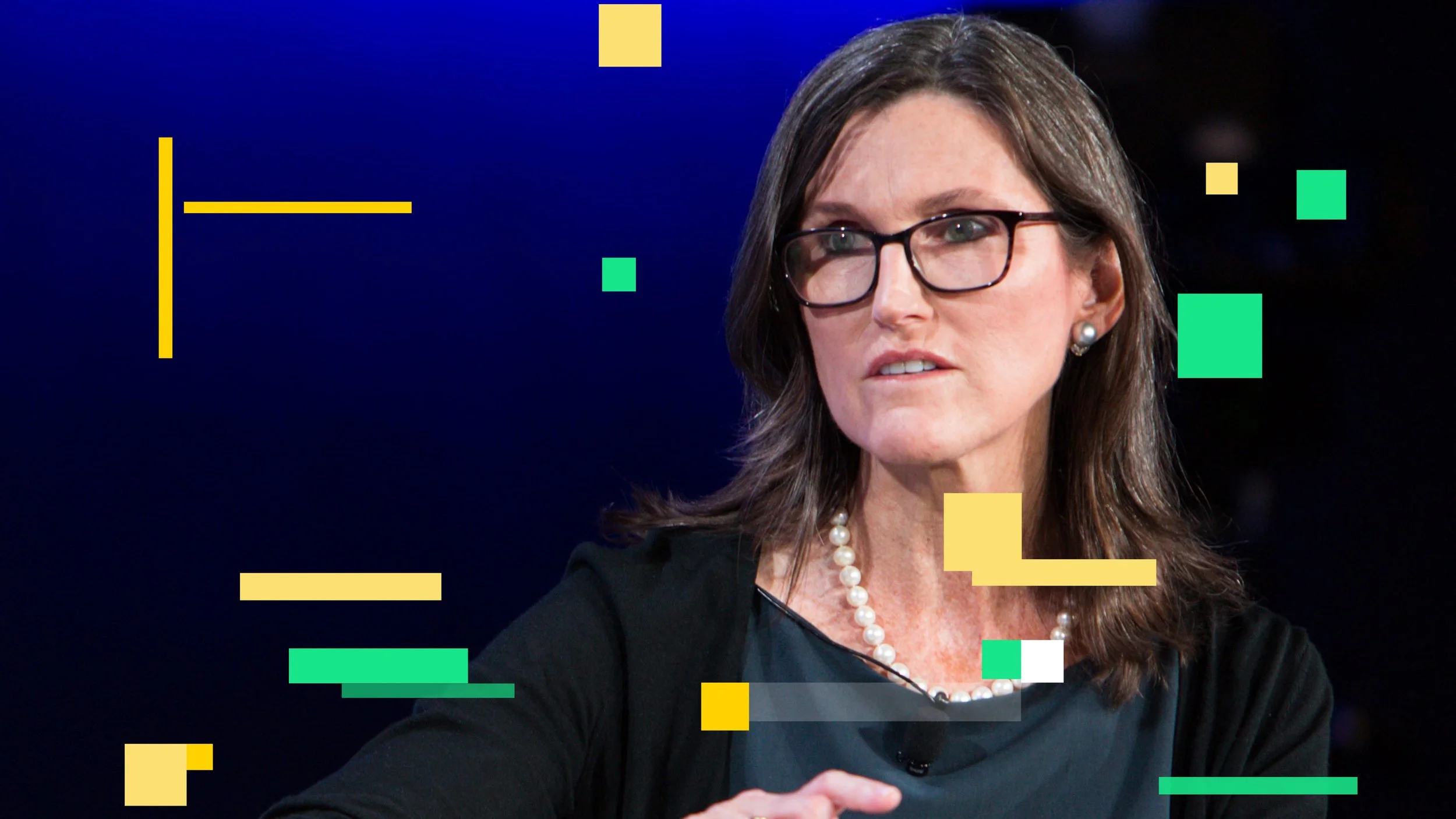
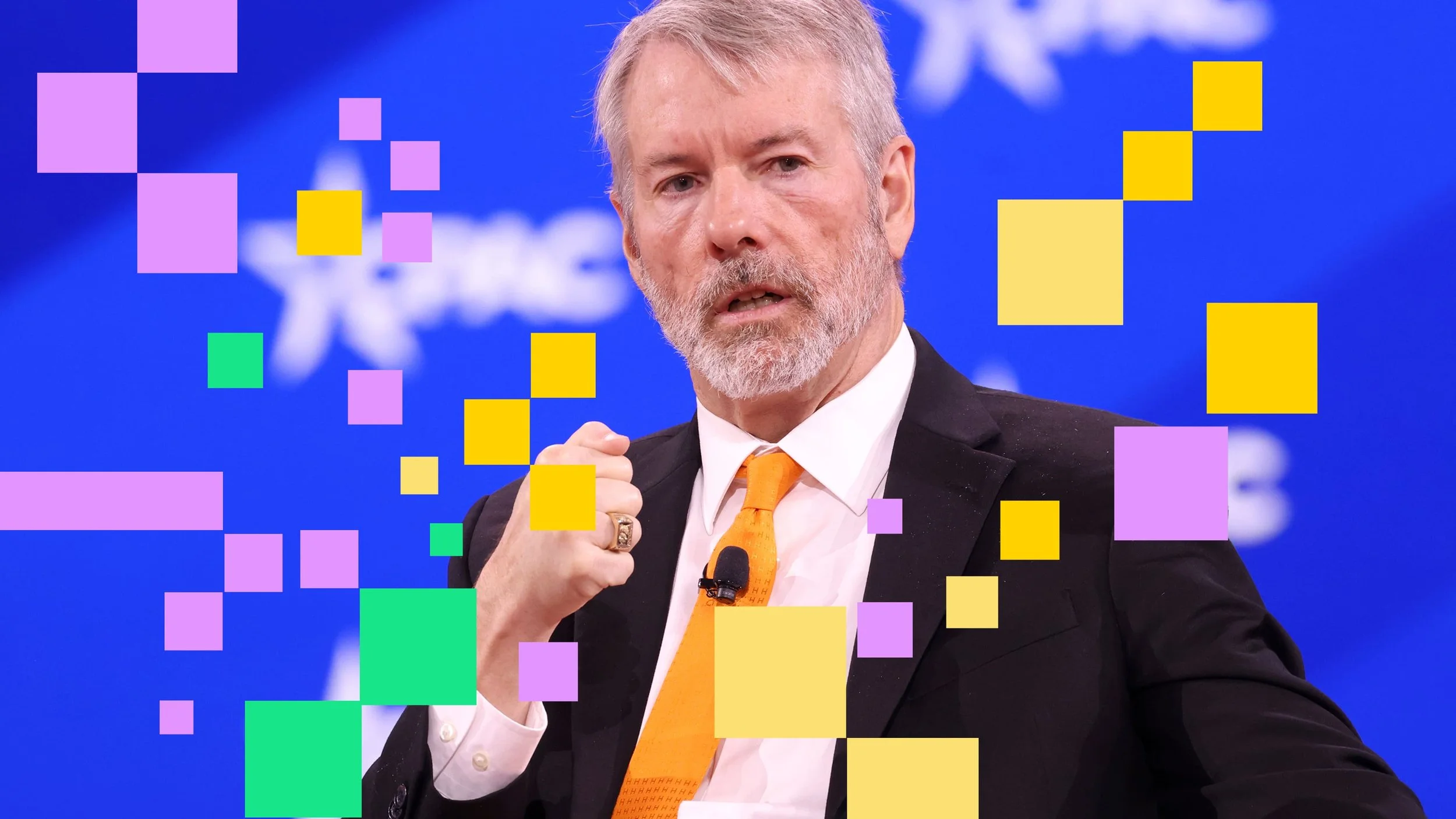
Partnered with Product to integrate branded overlay treatments directly into our CMS workflow. Editors could now apply a consistent, on-brand treatment to any stock image in a few clicks.
-
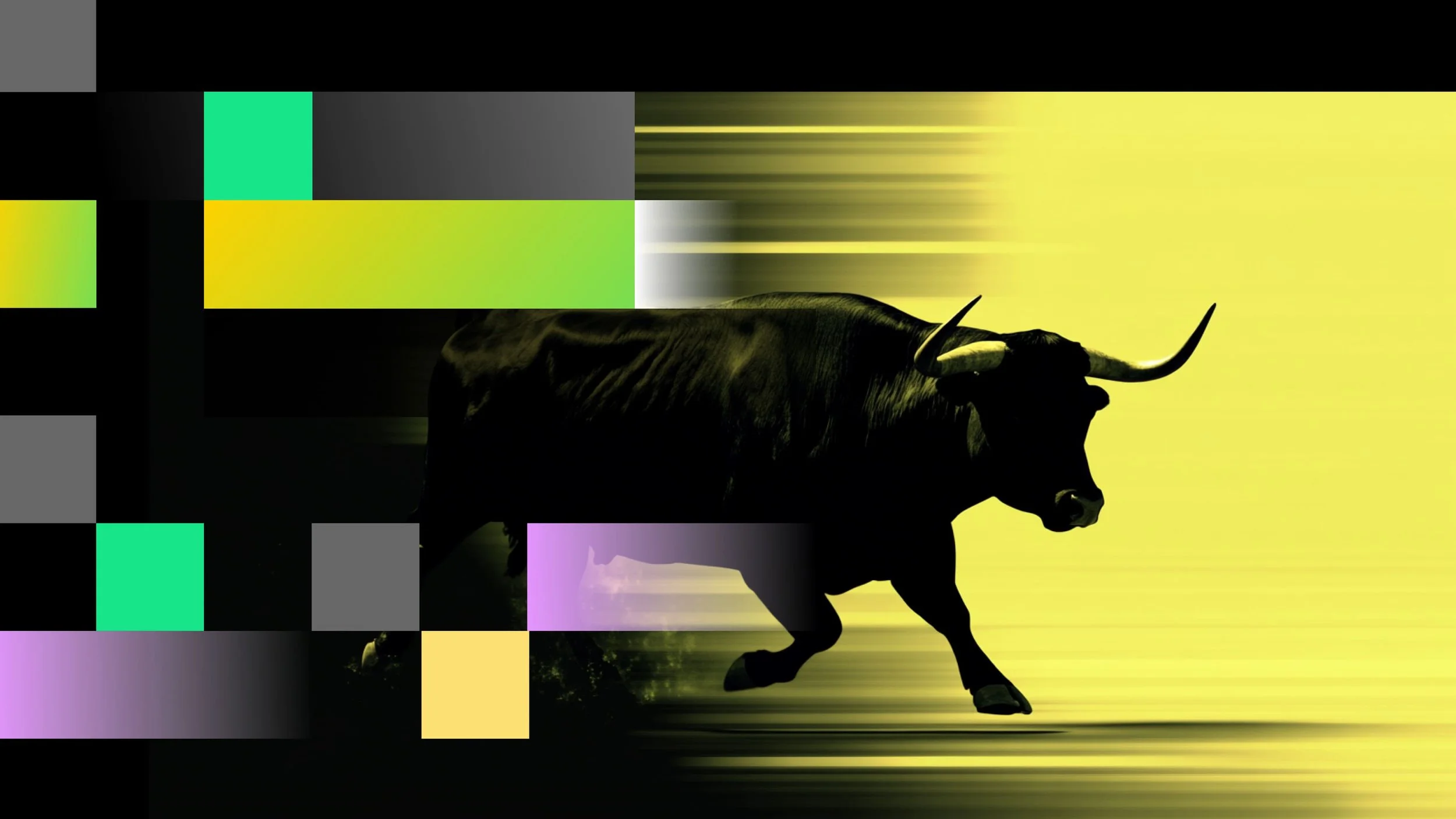
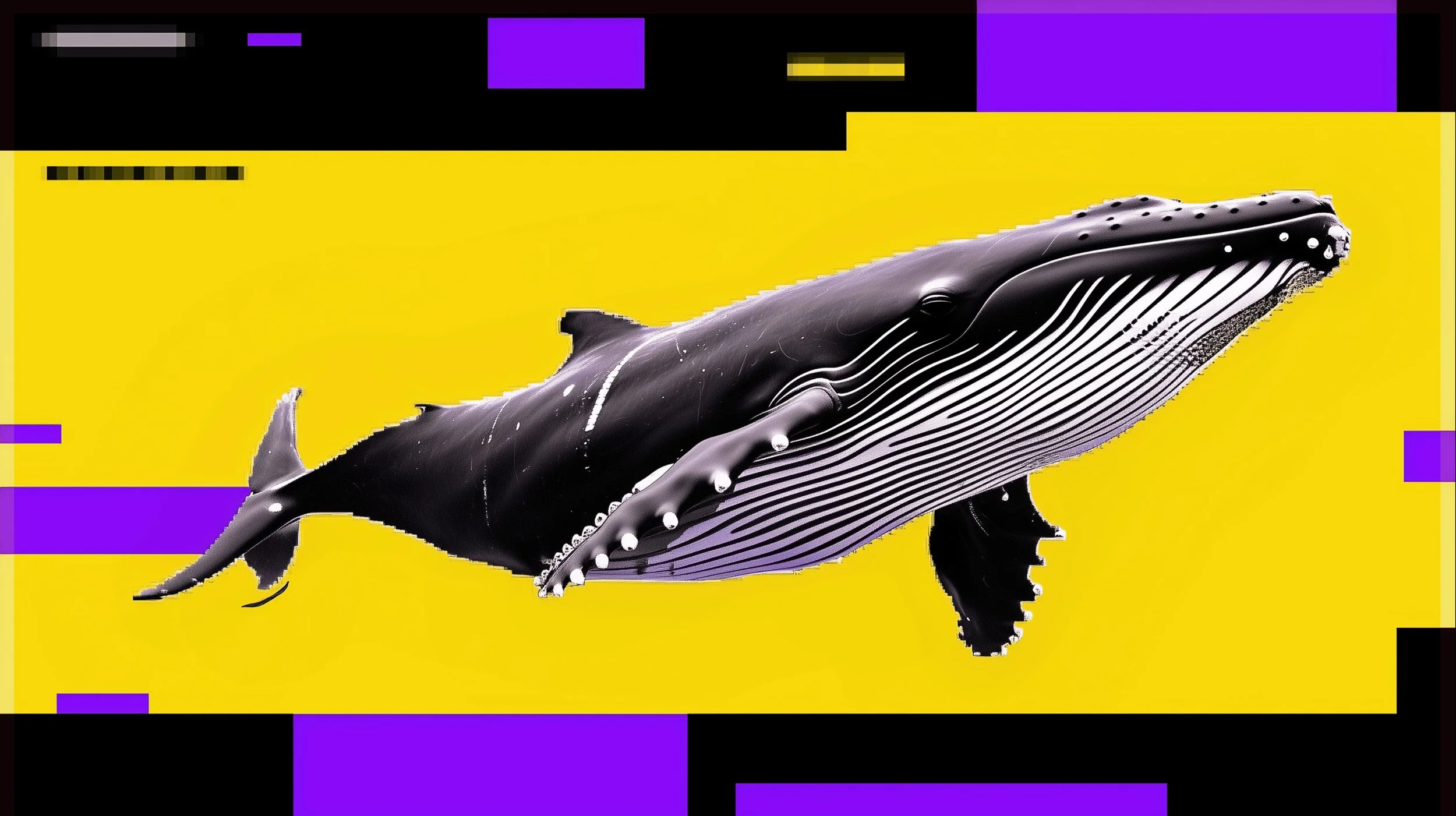
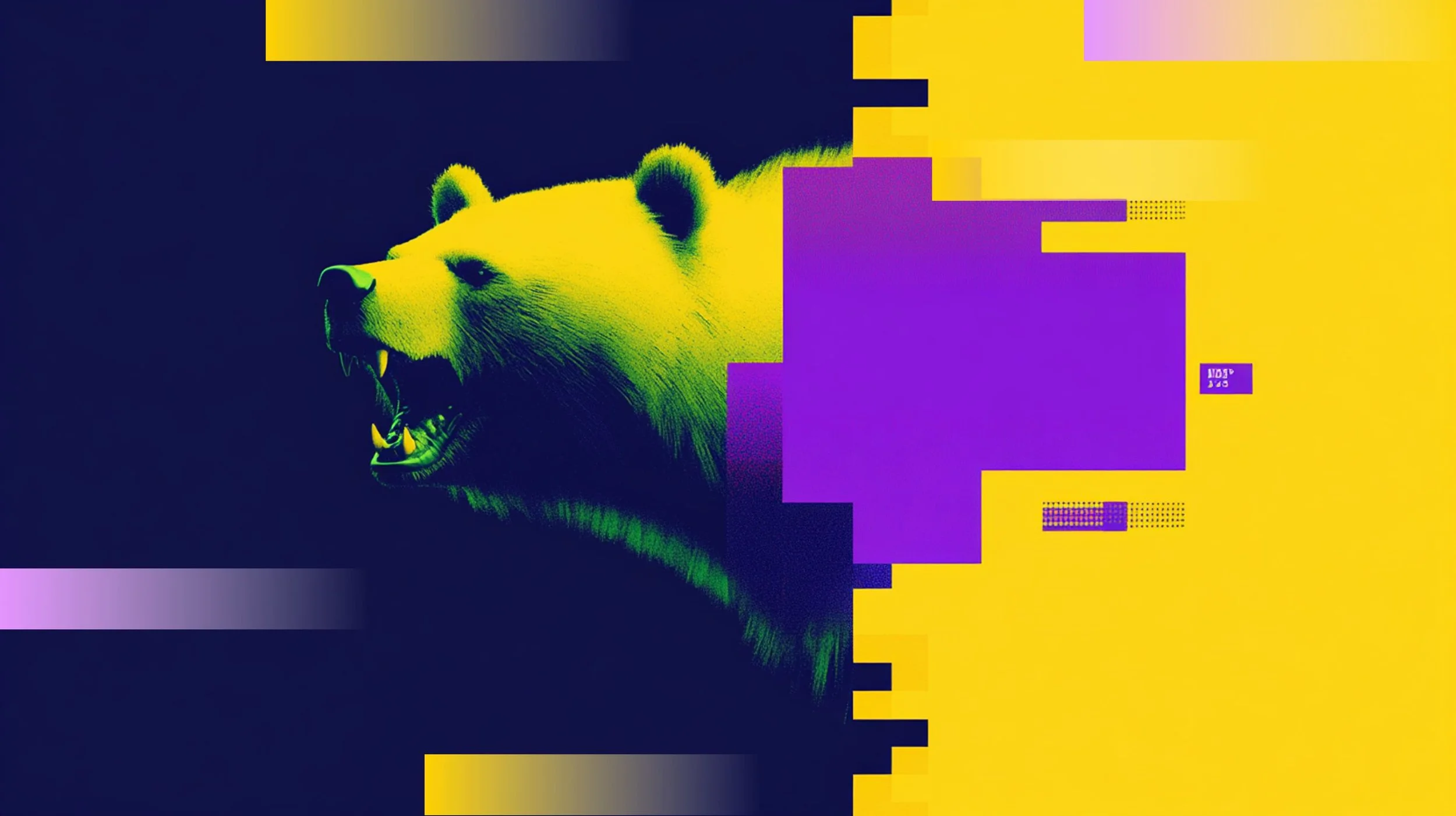
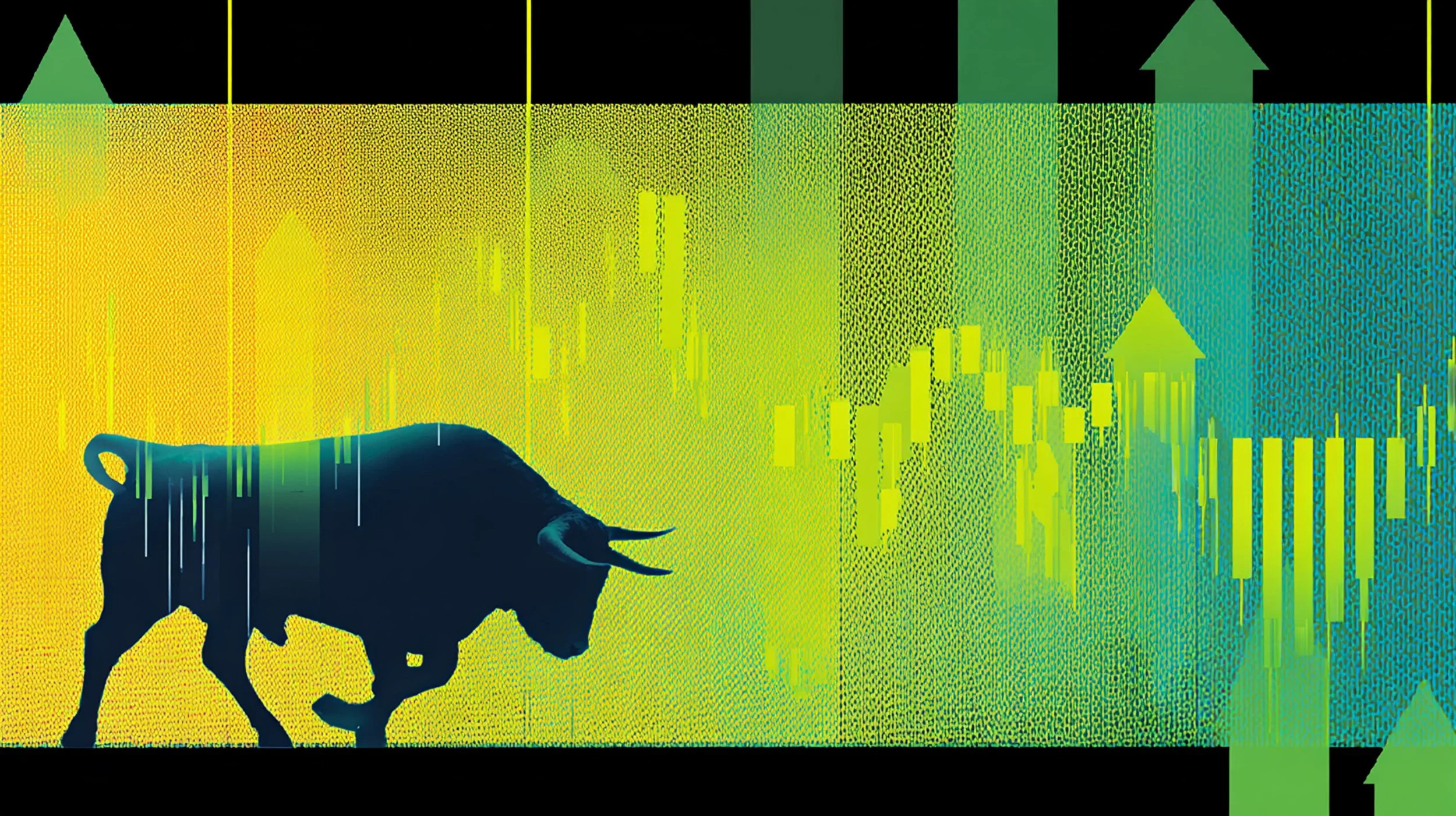
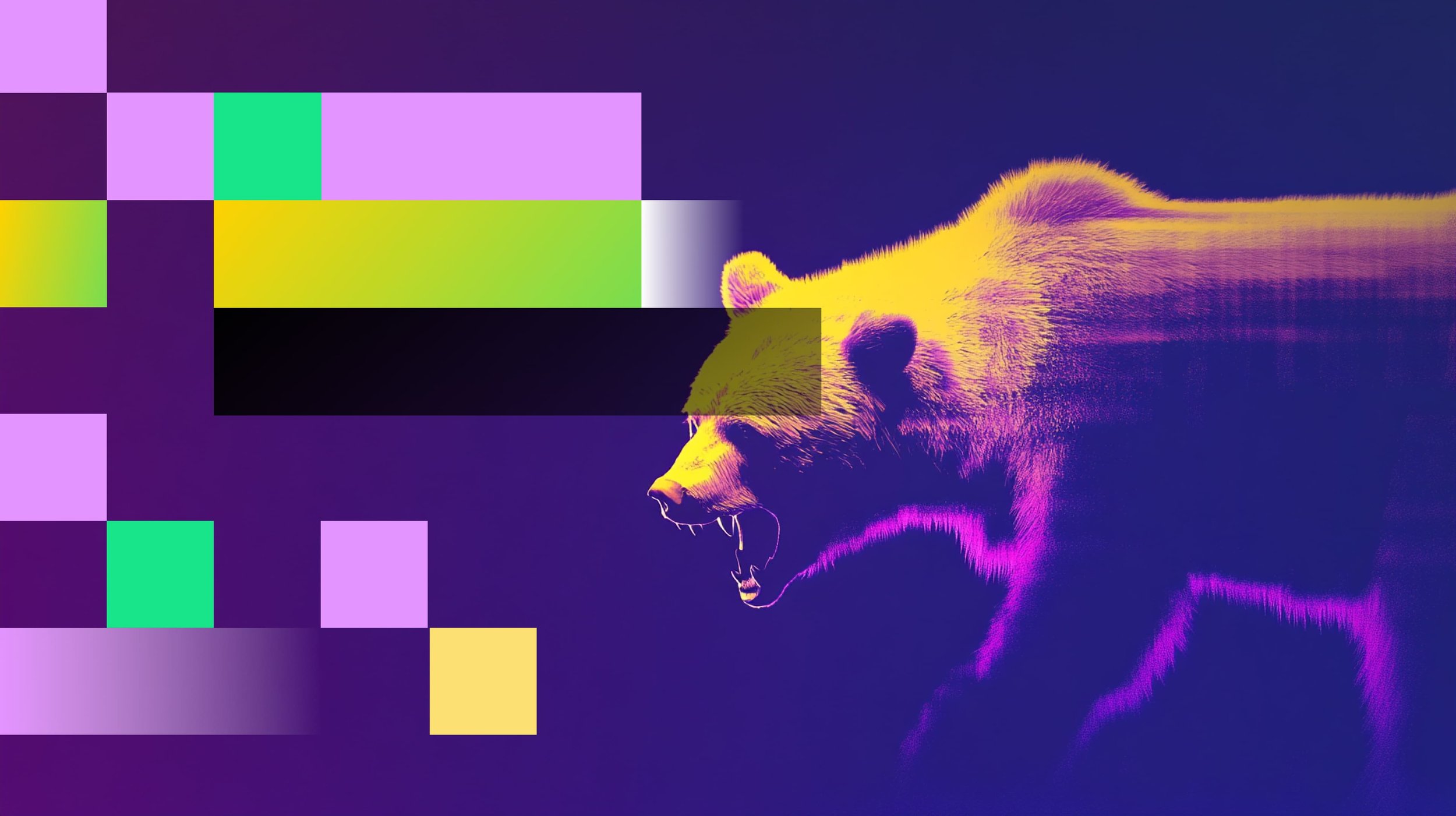
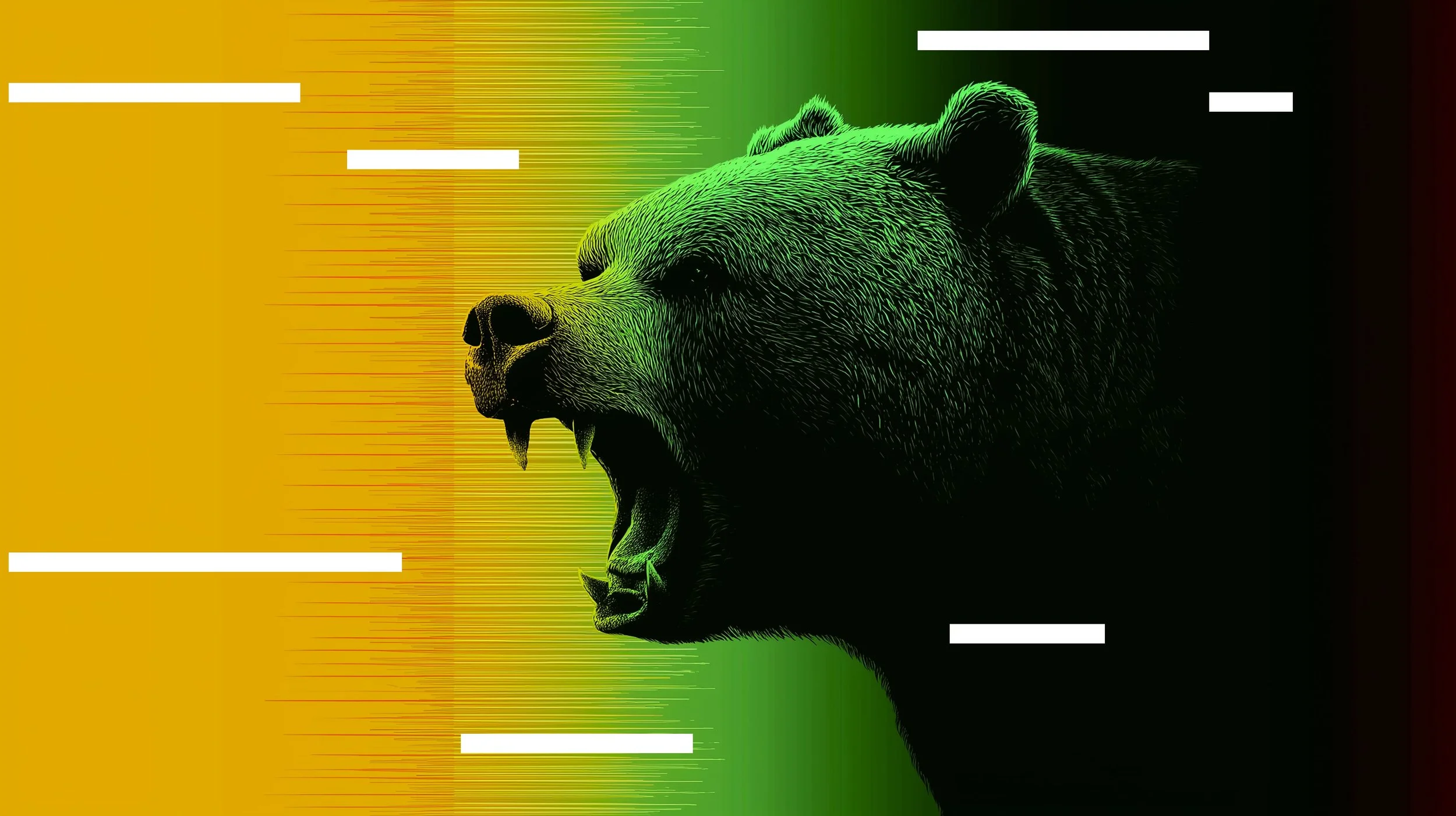
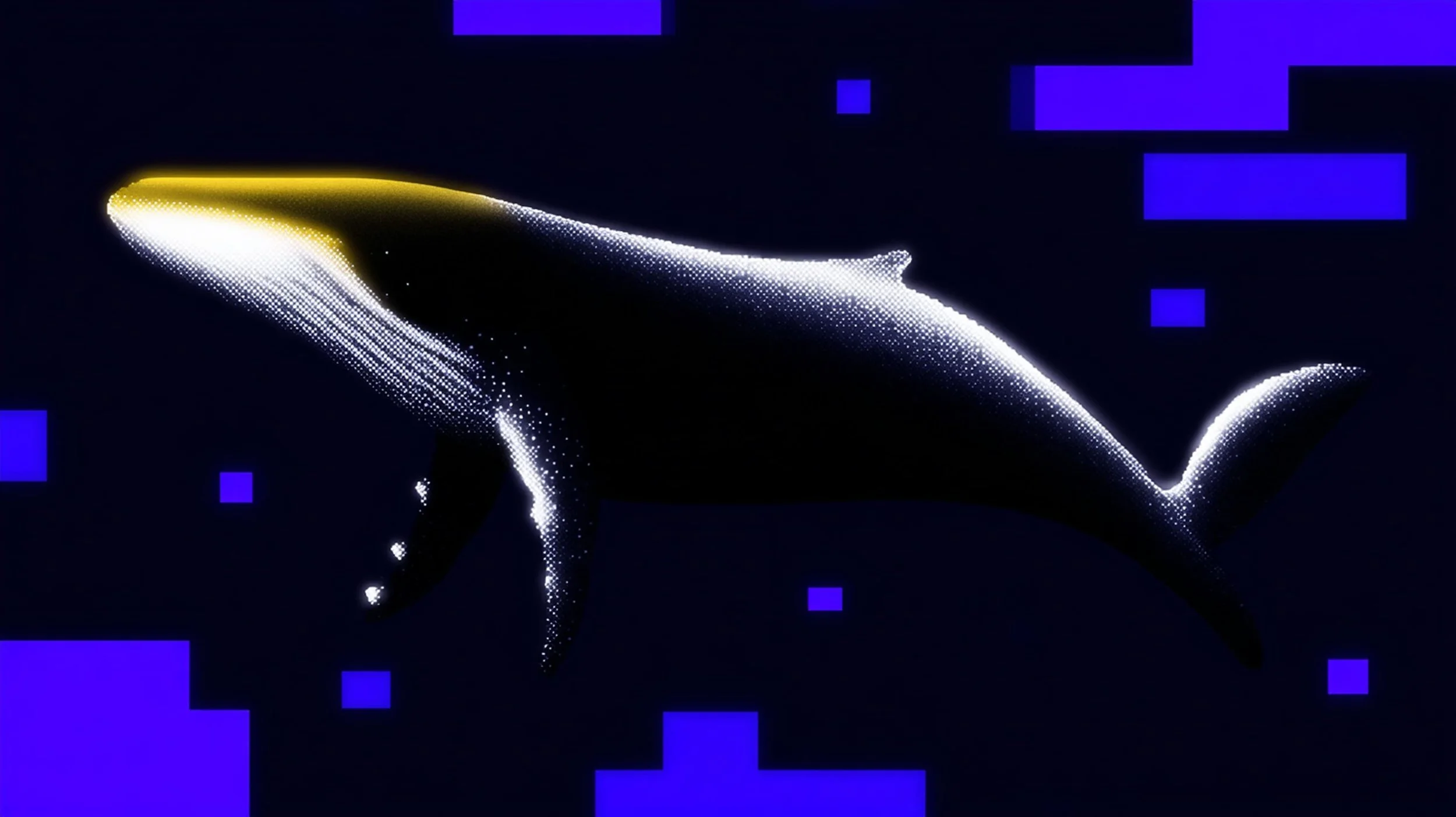
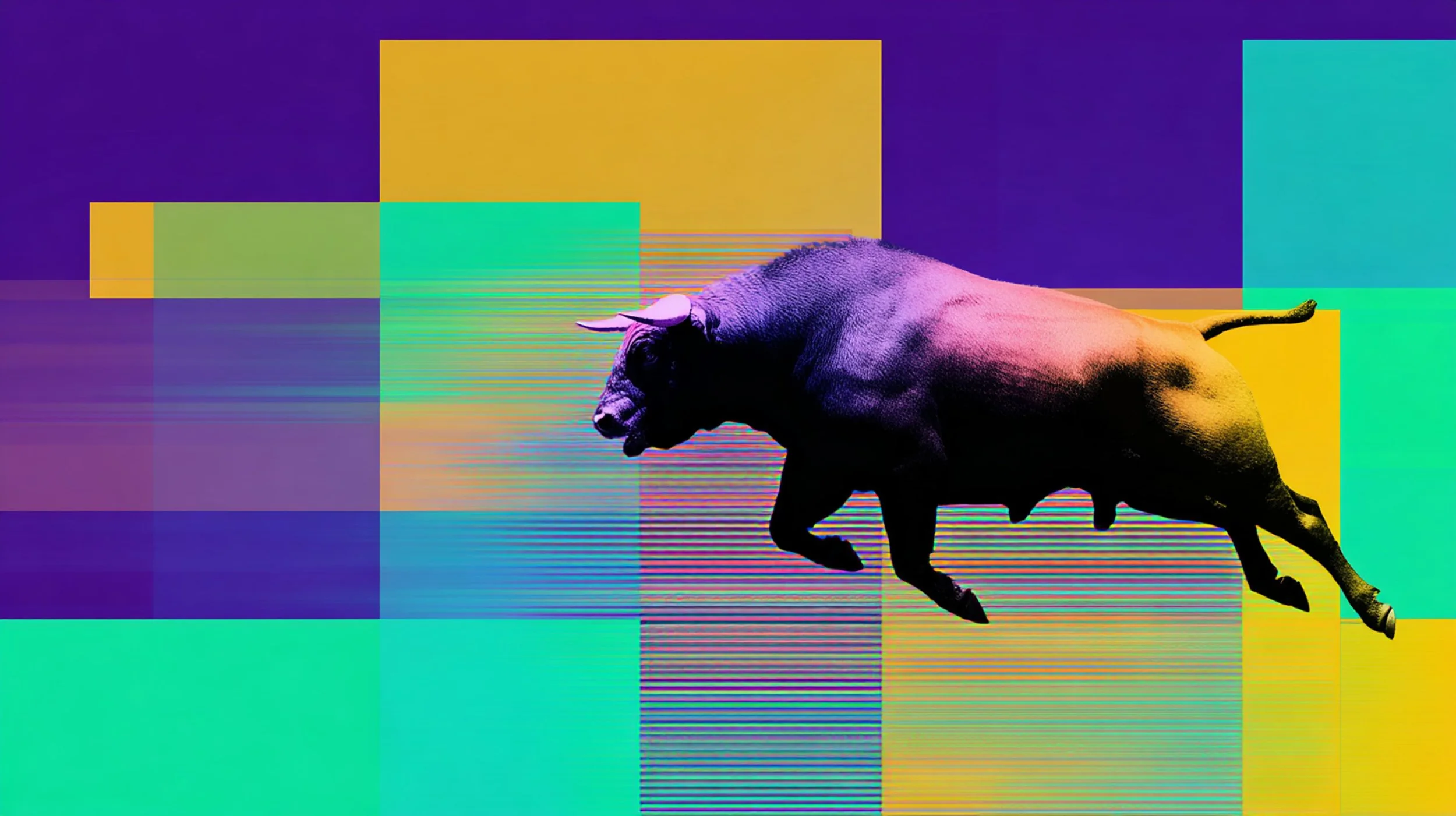
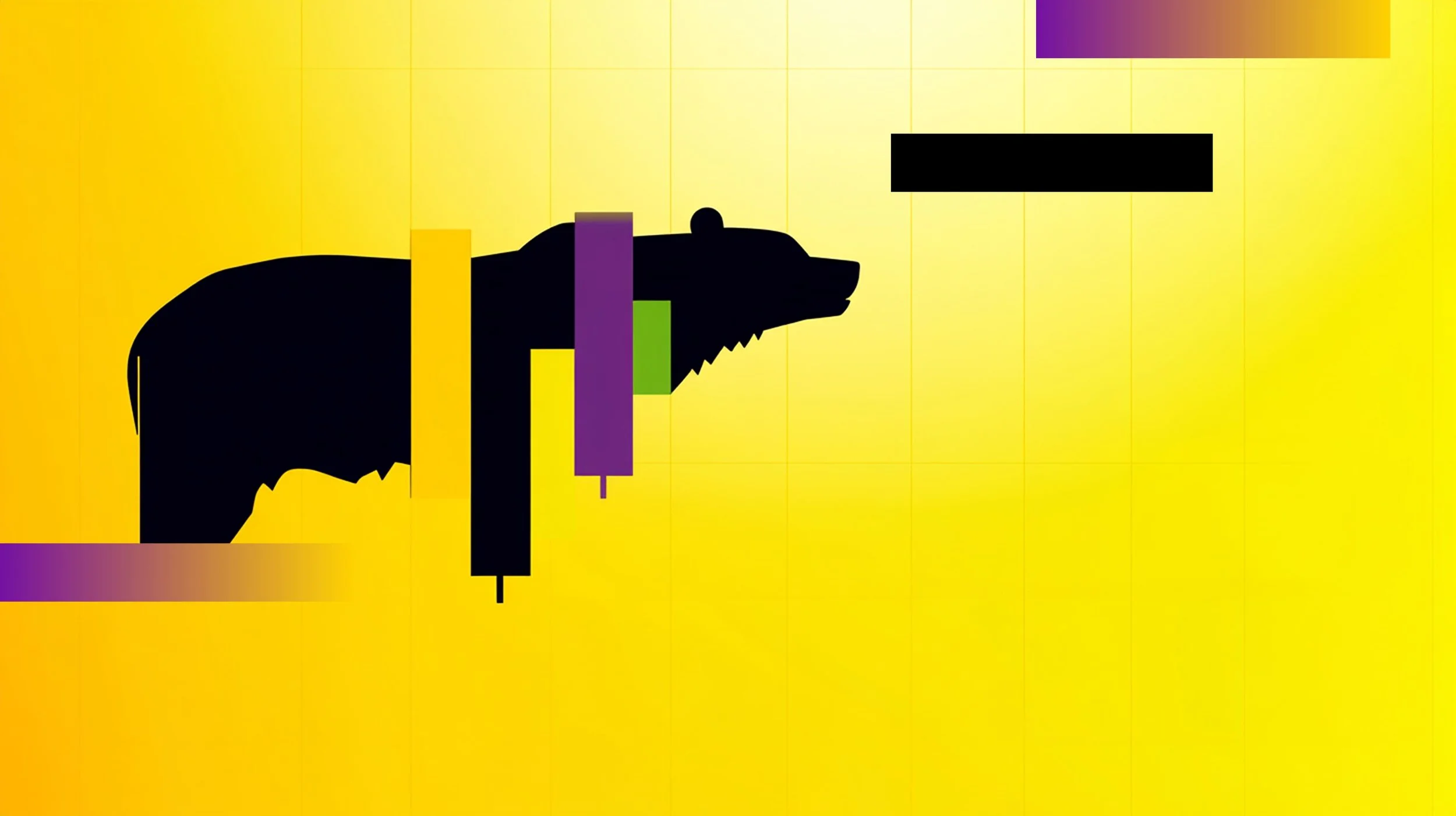
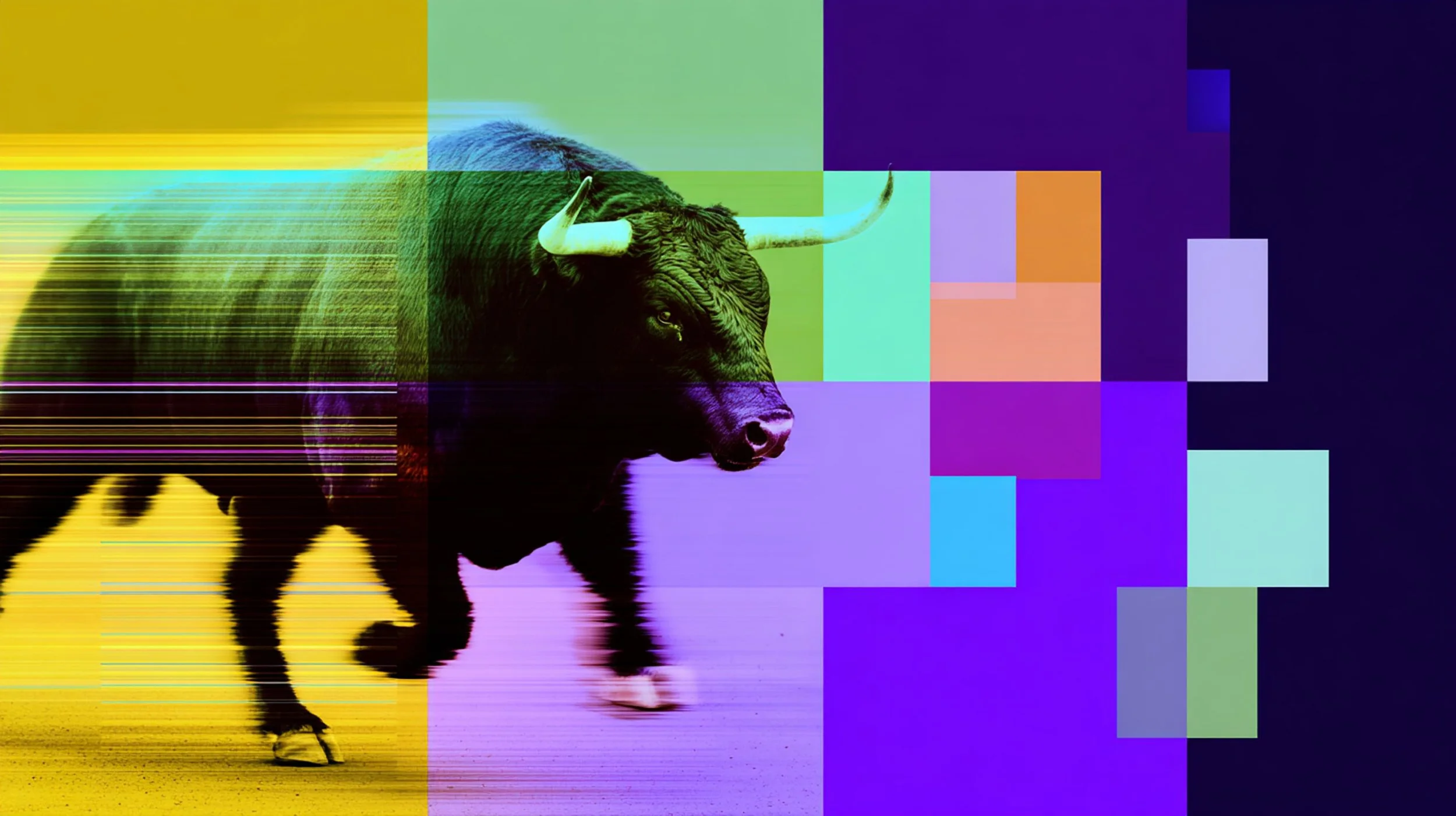
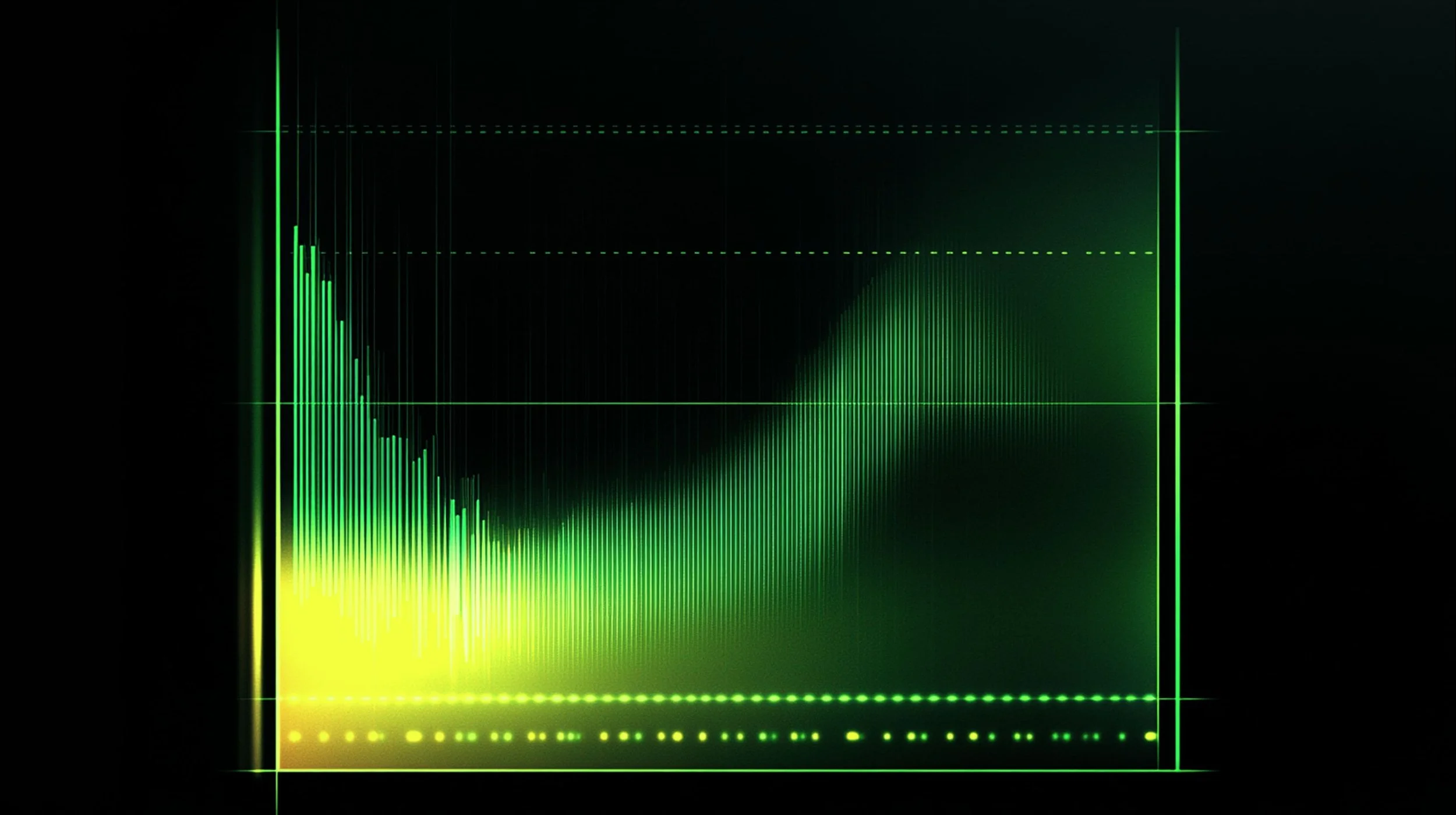
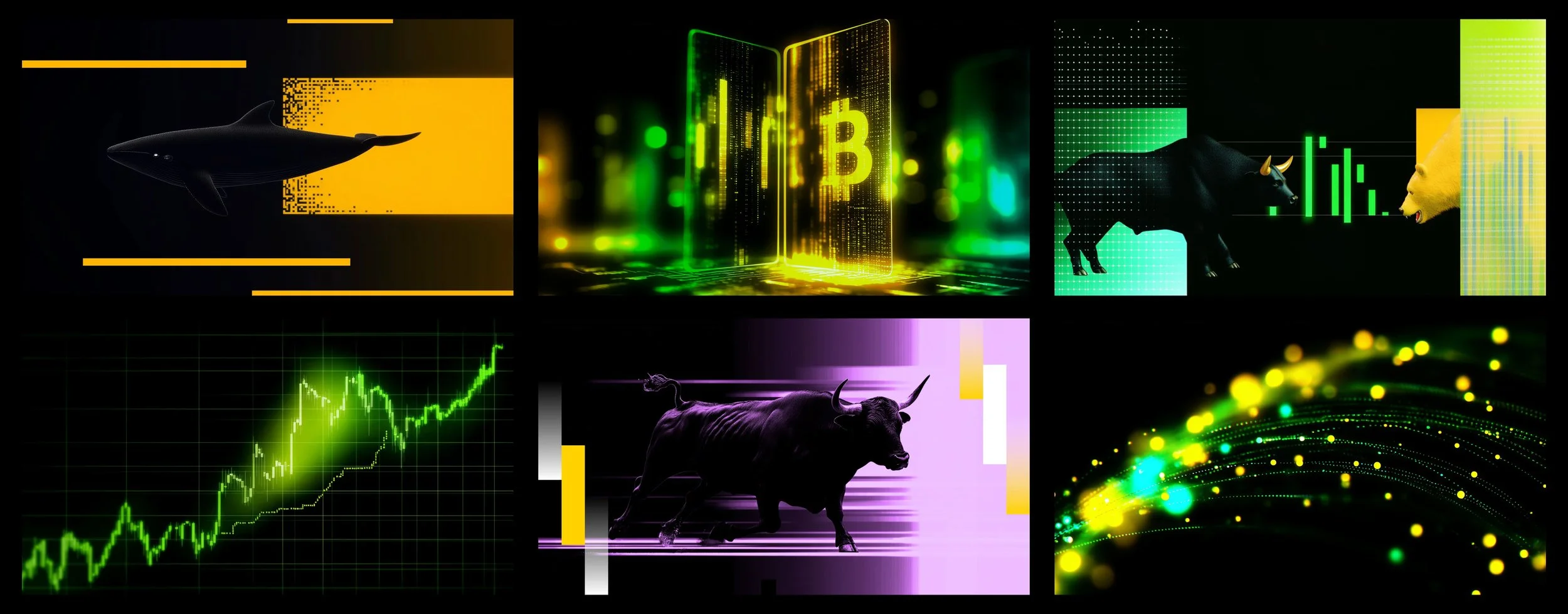
Defined an ownable visual style for custom imagery and built a scalable library of AI-generated assets around it. Reporters could pull from a growing bank of CoinDesk-native visuals keyed to top editorial topics.
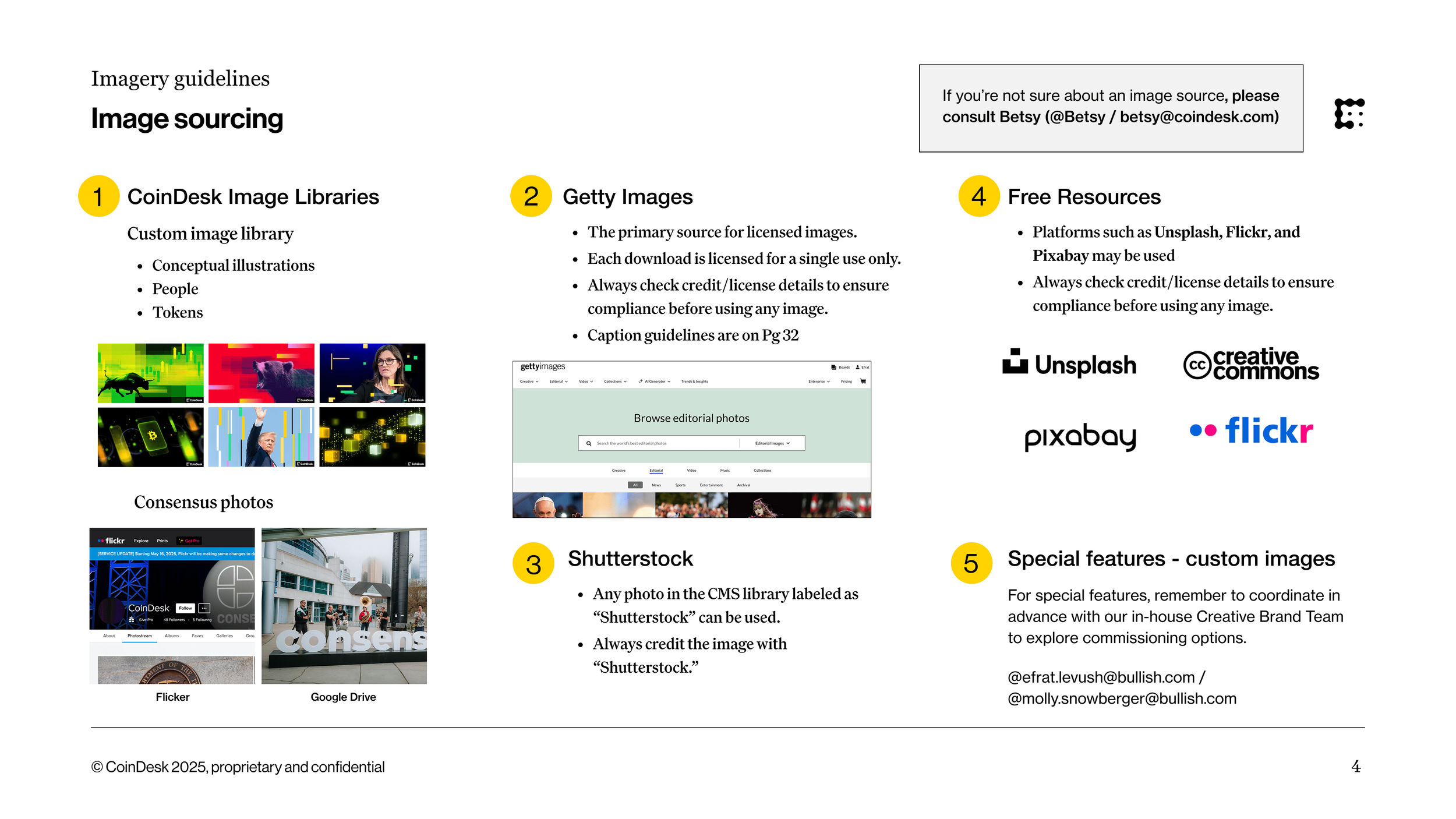
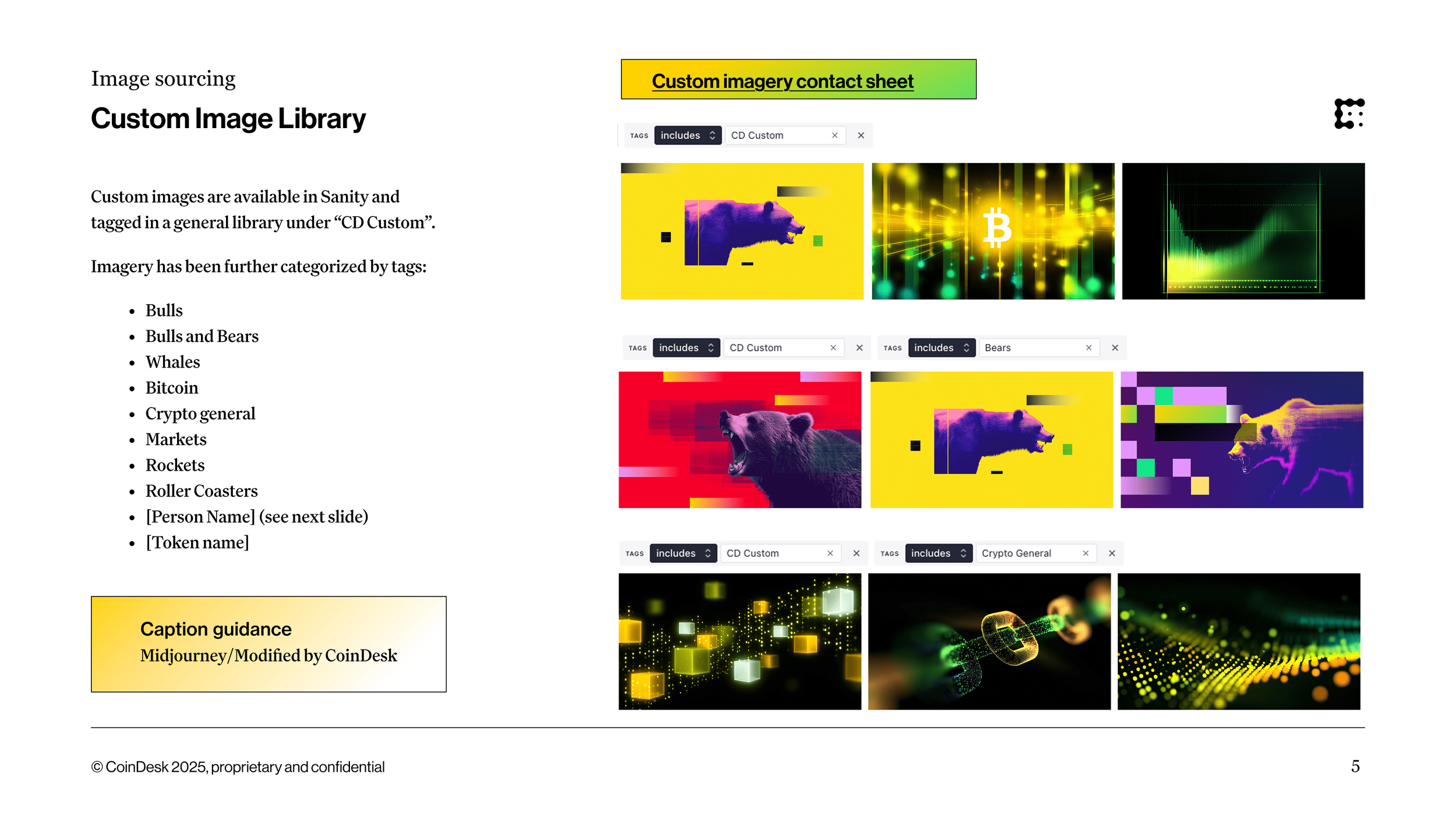
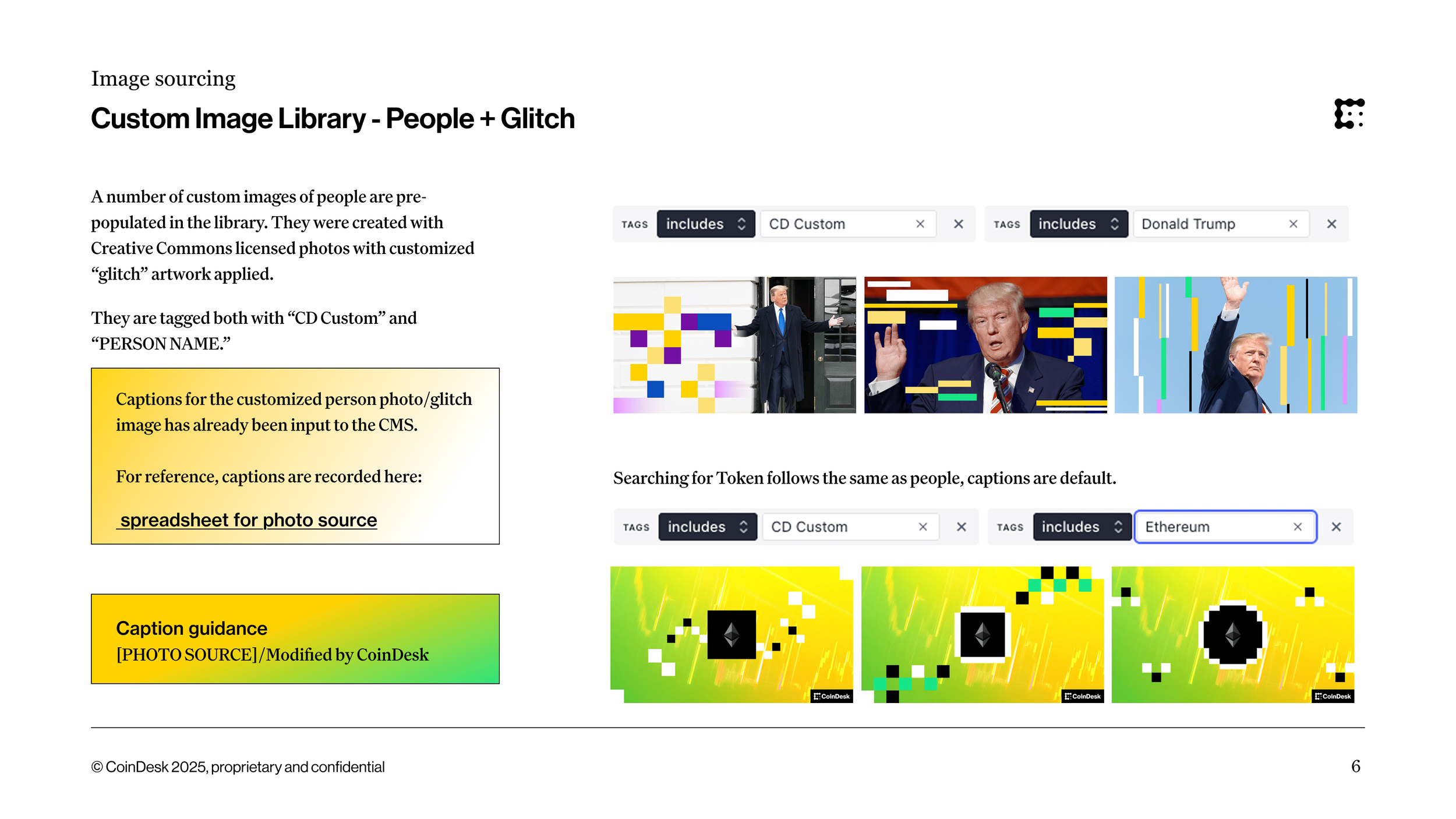
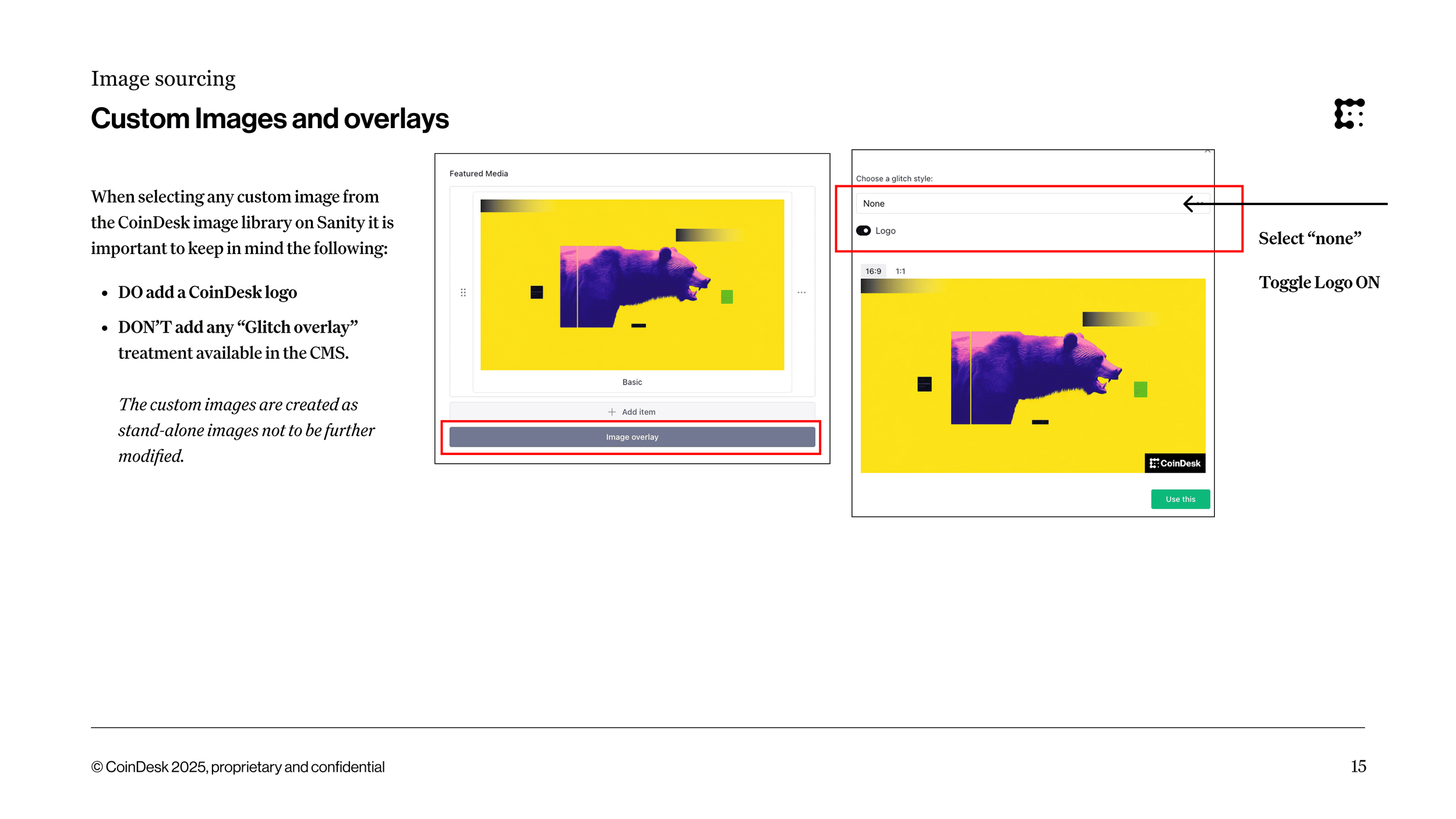
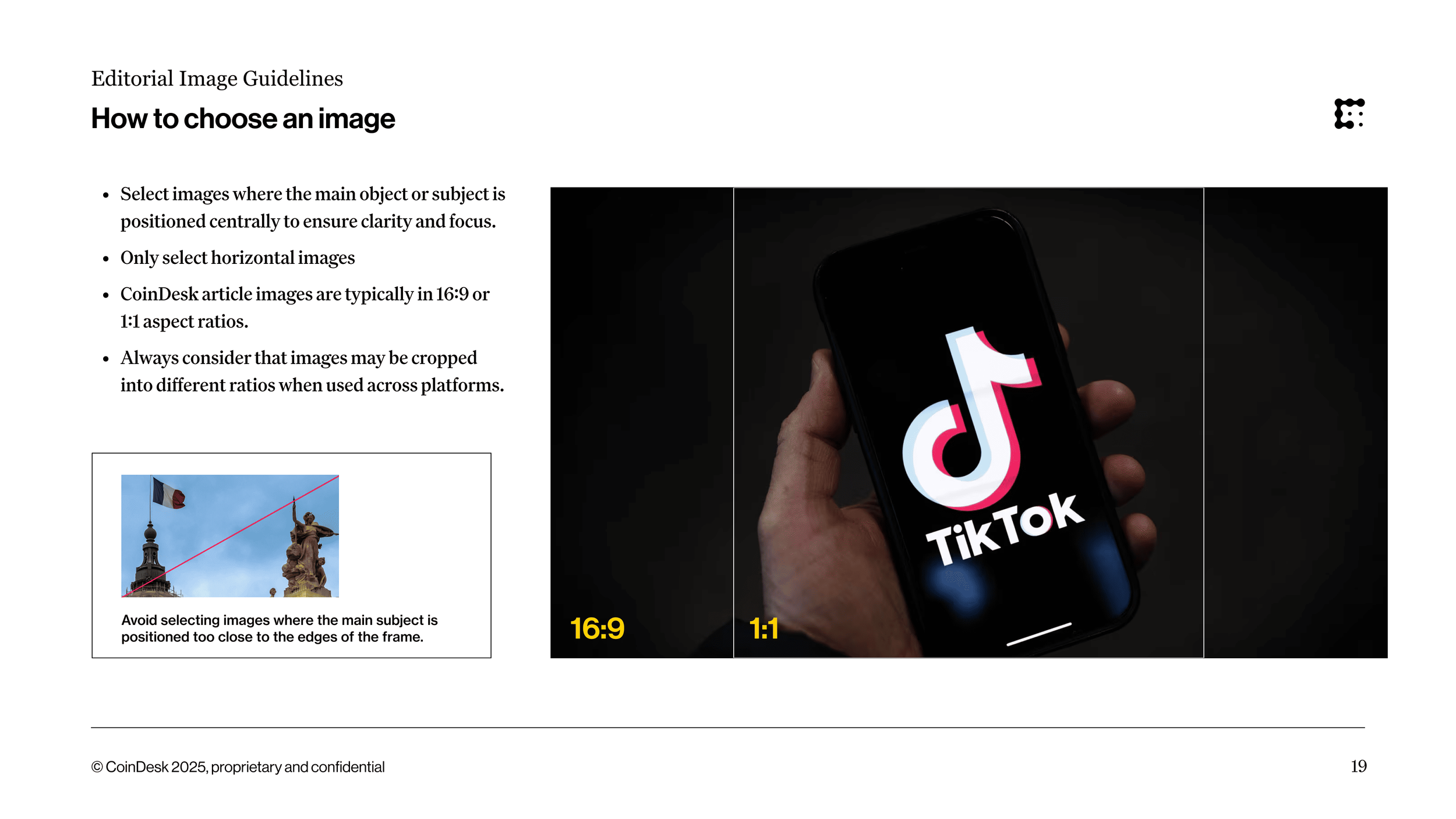
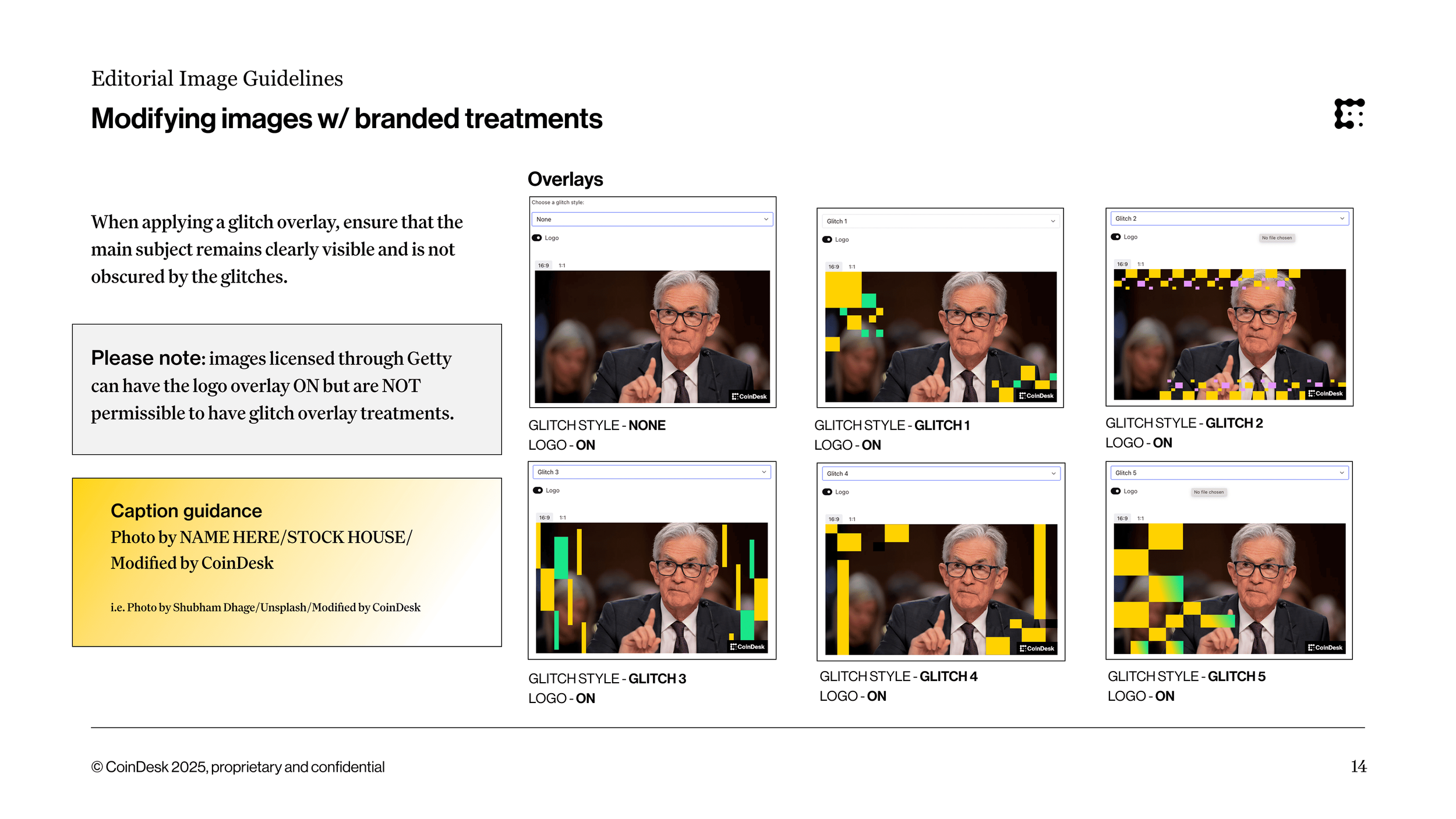
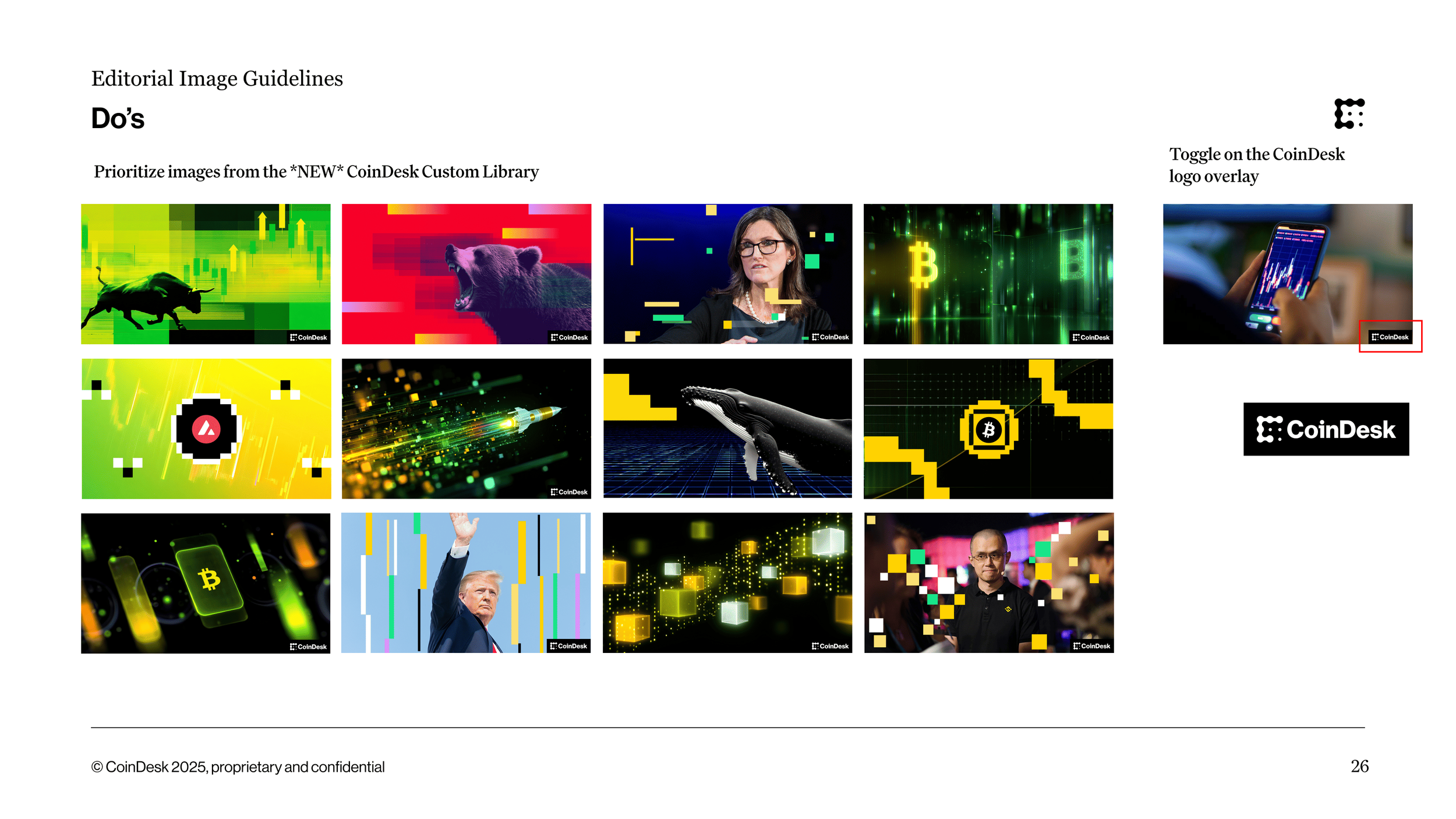
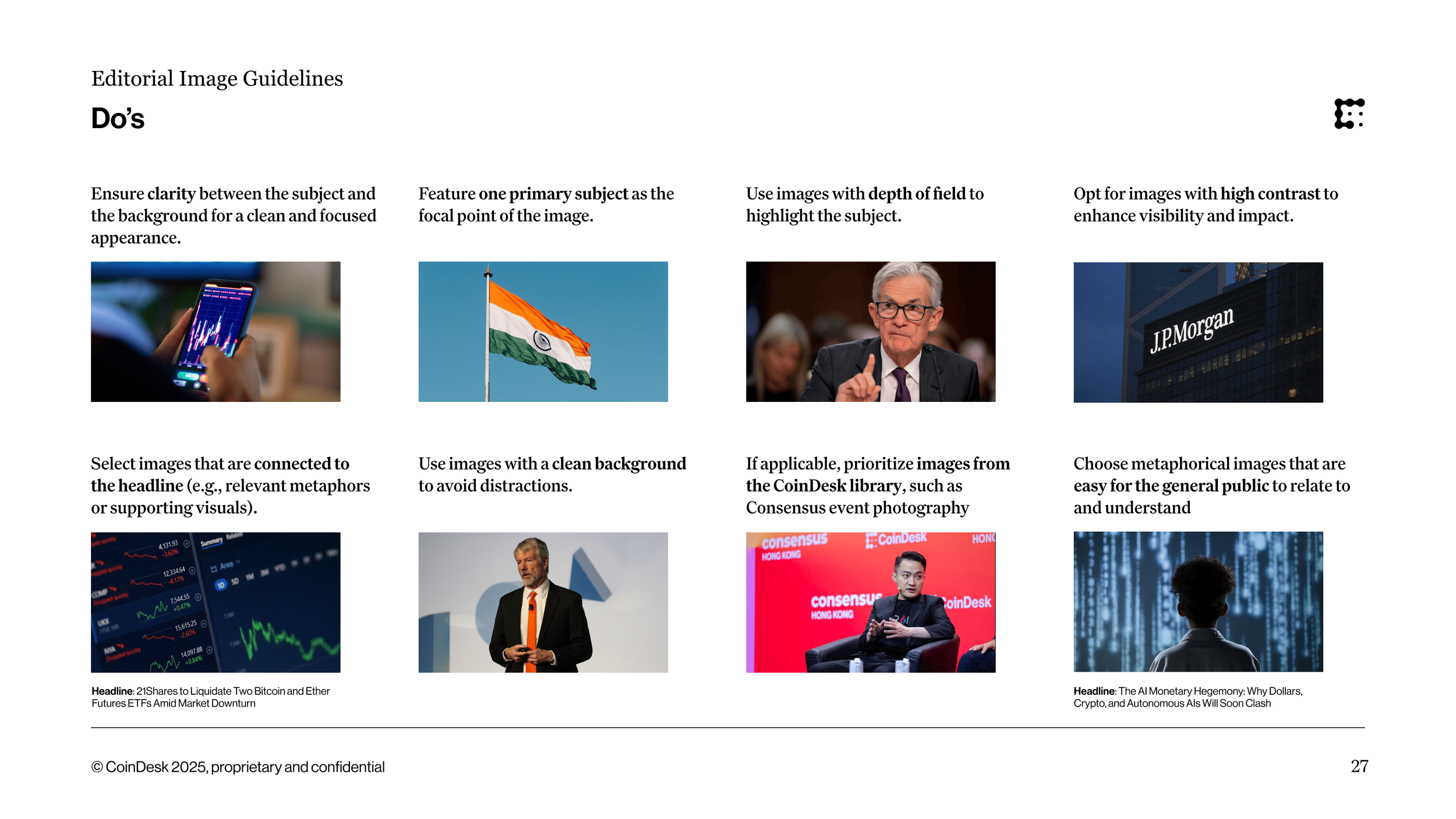
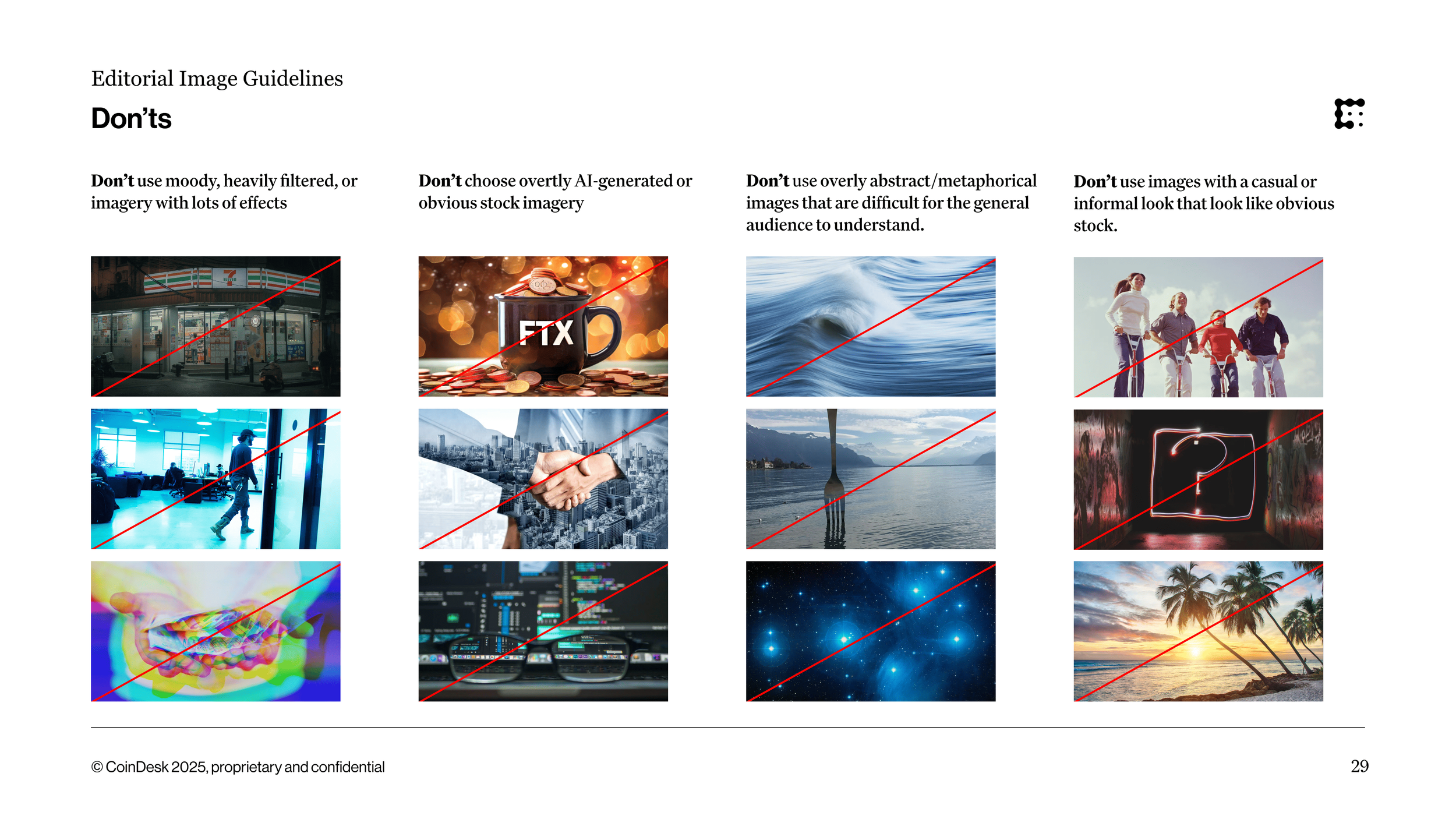
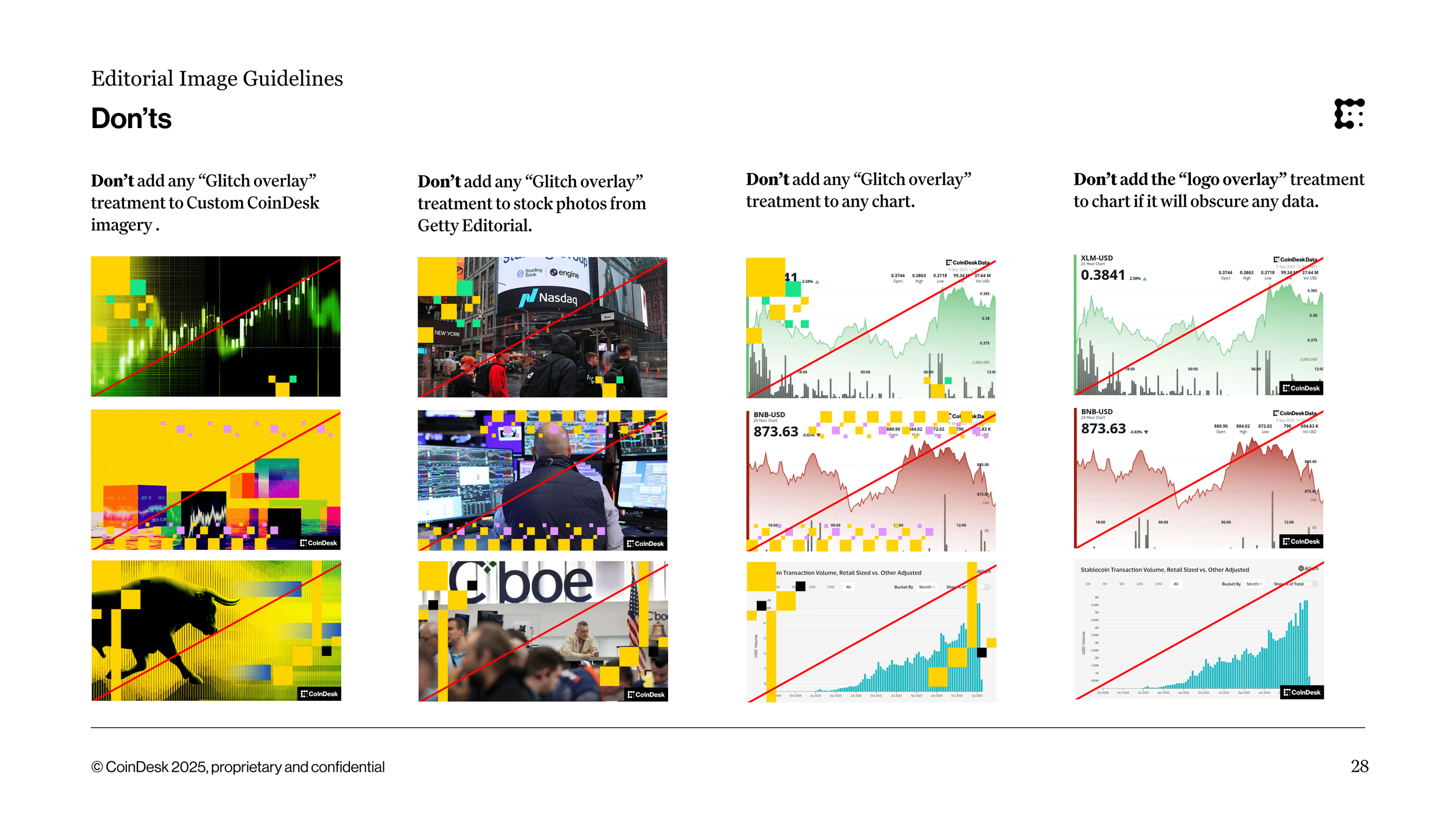
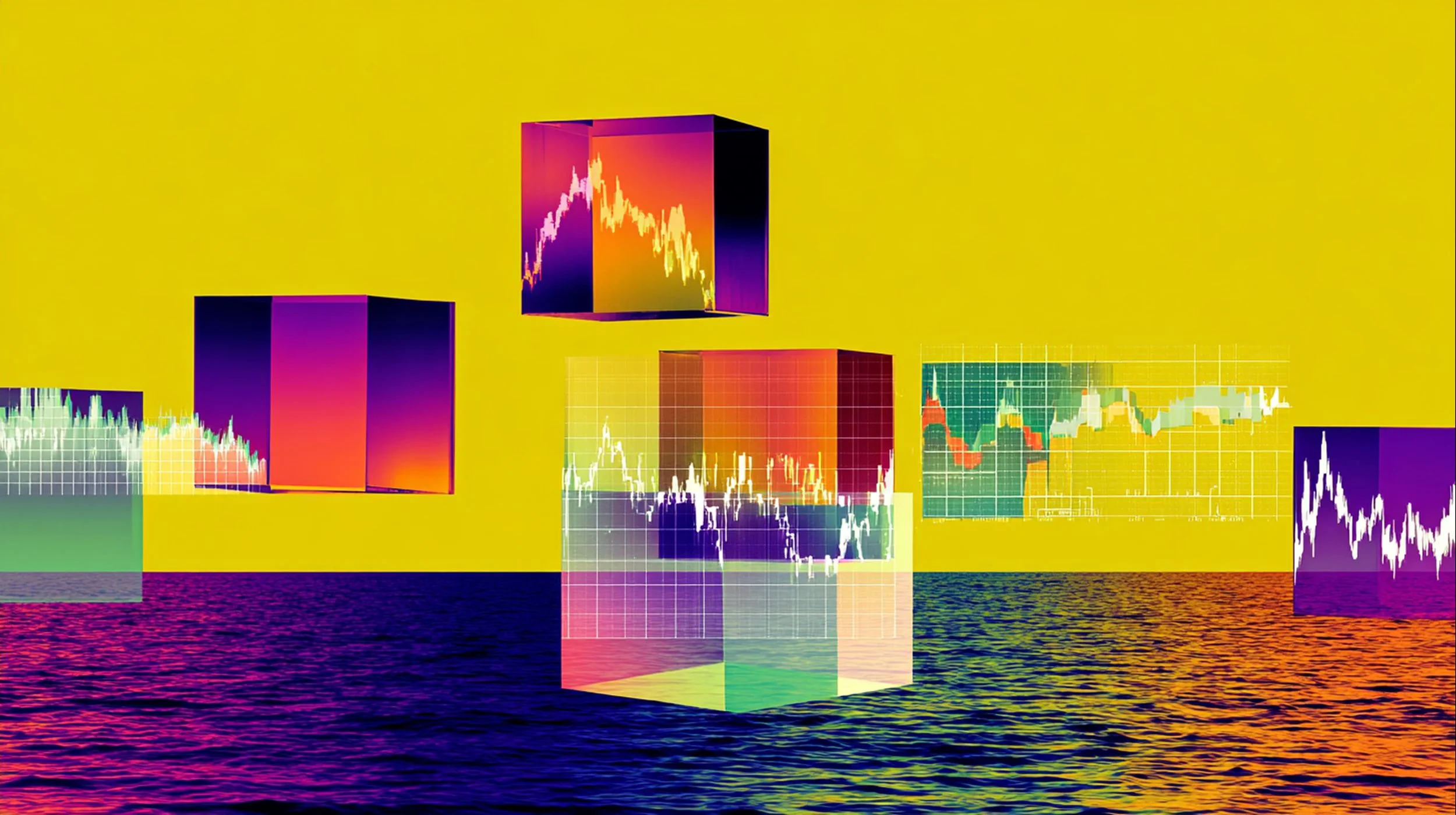
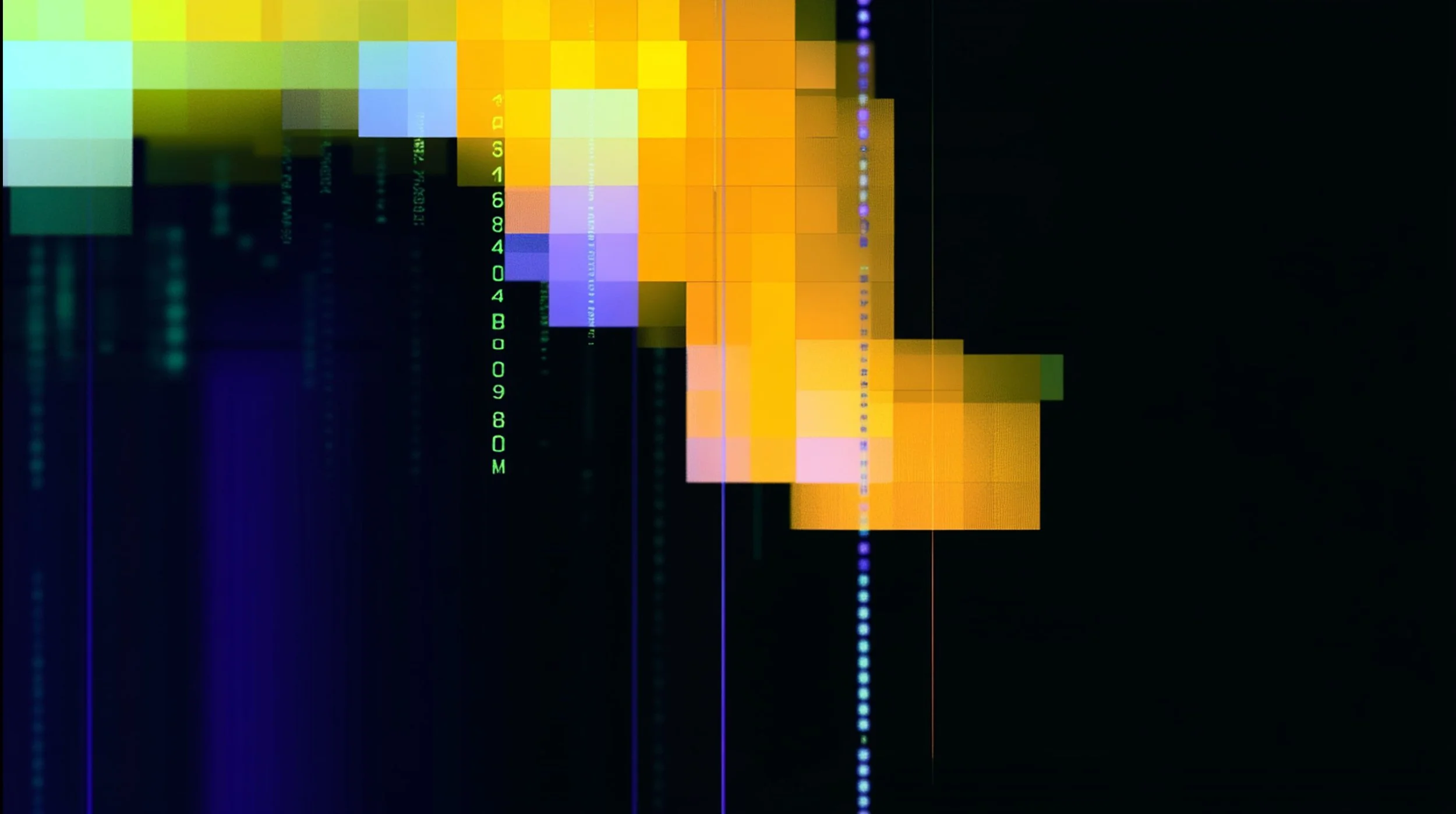
We explored a full range of aesthetics from collage, flat and isometric illustration, textures, 3D to grid-based systems, and landed on a digital/glitch style that felt ownable, infinitely scalable, and native to the industry.
In partnership with the Editorial team, we used SEO data to identify the most common coverage topics and built the library against those first, so editors had a real alternative to stock sites for everyday stories. The workflow was AI-native from the start; after testing the leading tools, we landed on Midjourney as the best fit for our defined style.
Defining an ownable visual style.
Samples from the custom library below.